Together we are stronger: Toyota’s vision for Europe focuses on inclusion and pragmatism in support of the EU’s ambition to stimulate competitiveness and decarbonise its automotive industry
- Strategic adjustments proposed to the Industrial Accelerator Act to secure the future competitiveness of the EU’s automotive industry
- A customer-centric environmental pathway to decarbonisation through a pragmatic and flexible approach to the EU’s Automotive Package proposal
- Recognition of the increasing, vital role of renewable fuels in securing decarbonisation and European resilience on fossil fuels
- Continued support for a strong implementation of AFIR to deliver a hydrogen refuelling infrastructure and secure the EU’s global leadership in heavy-duty transport decarbonisation
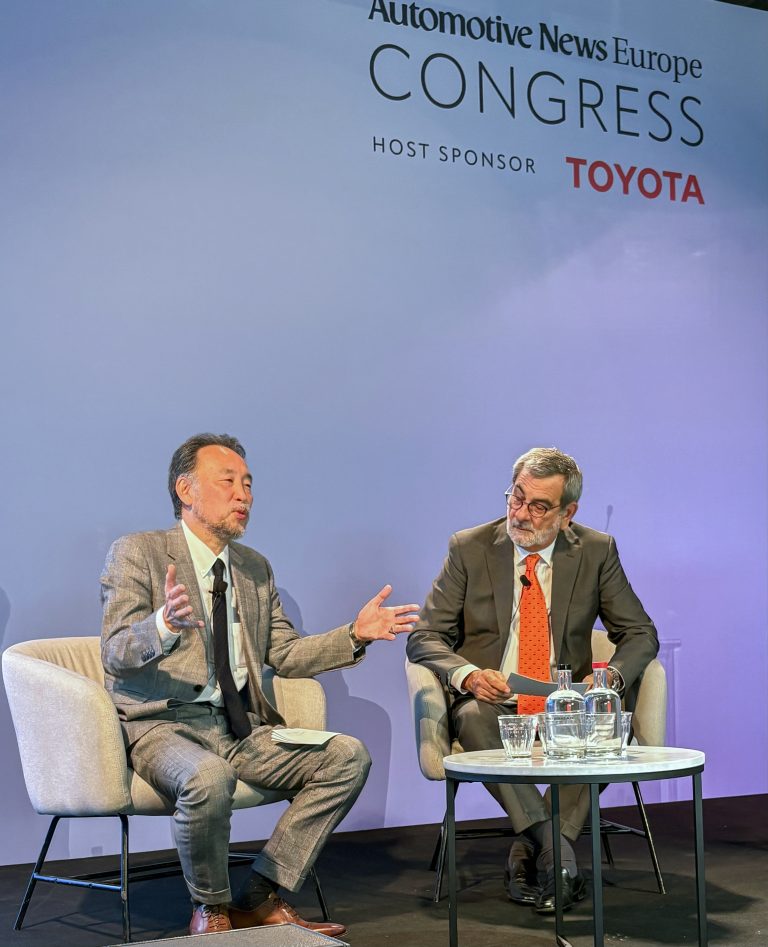
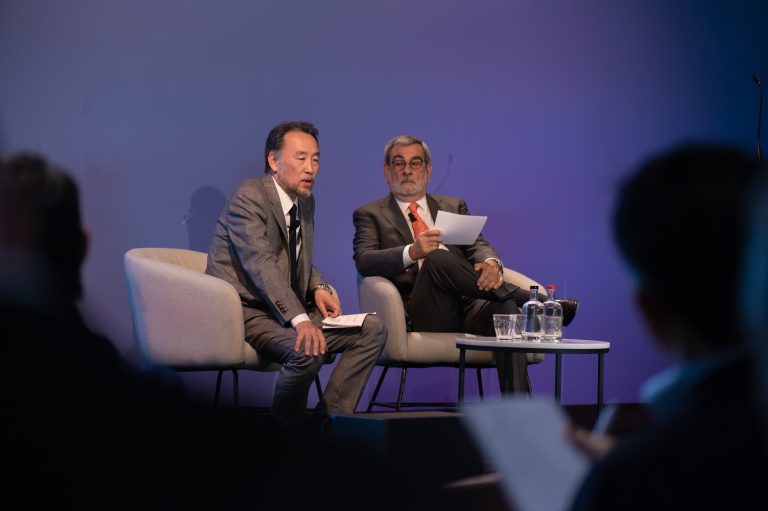
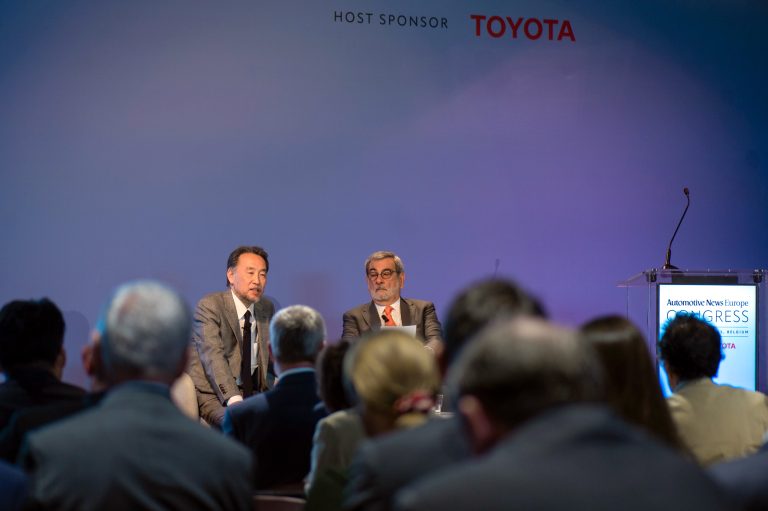
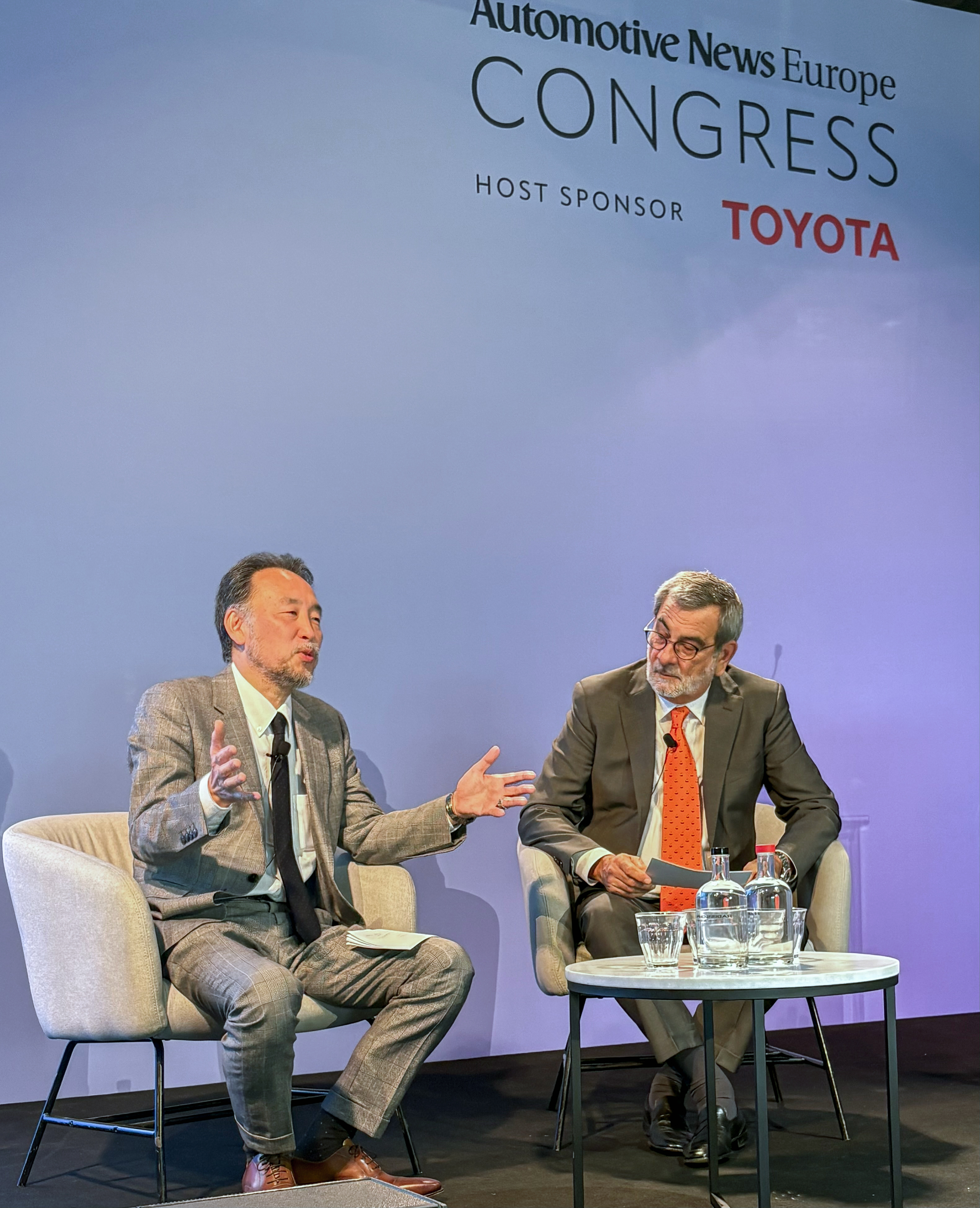
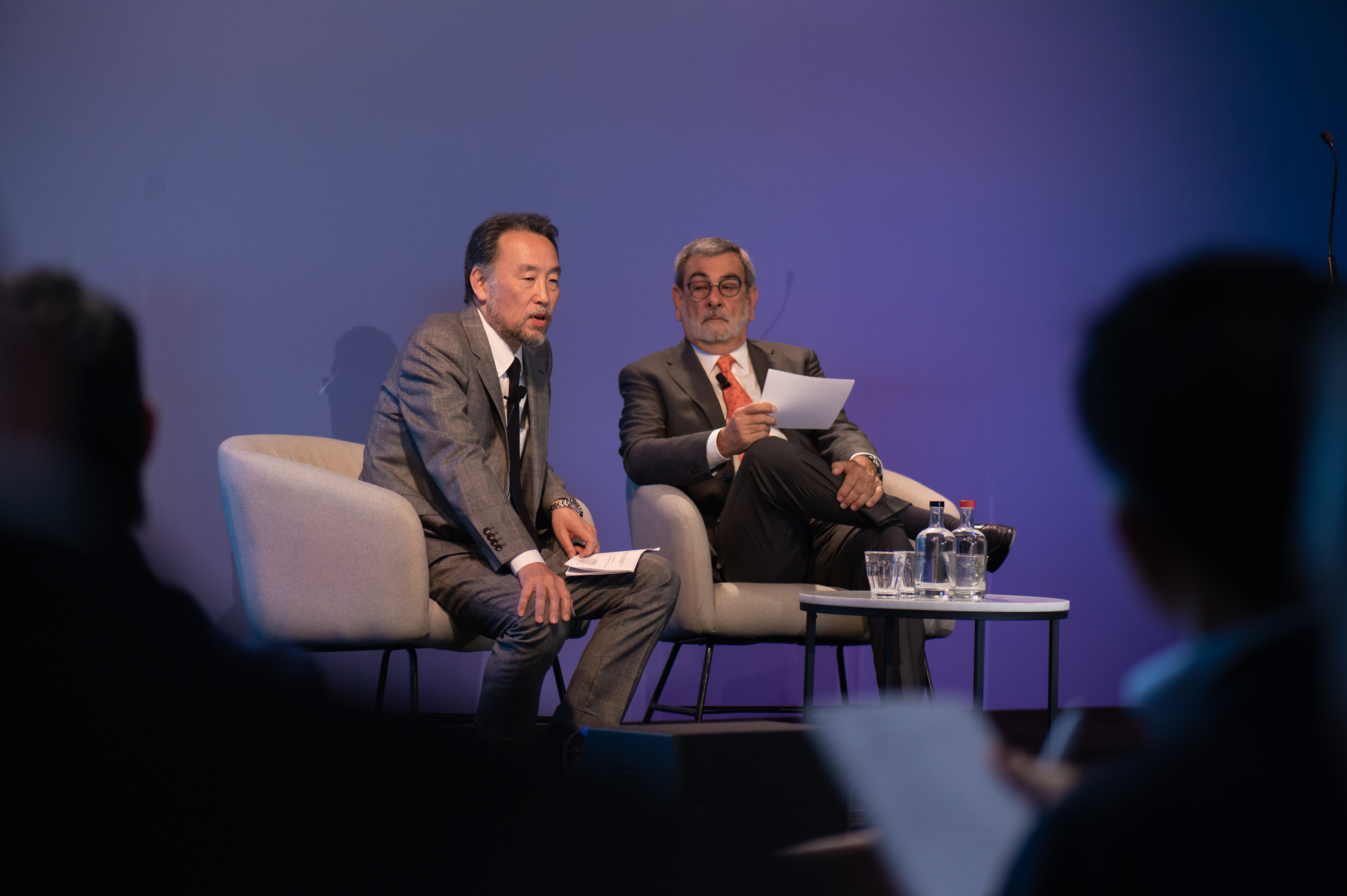
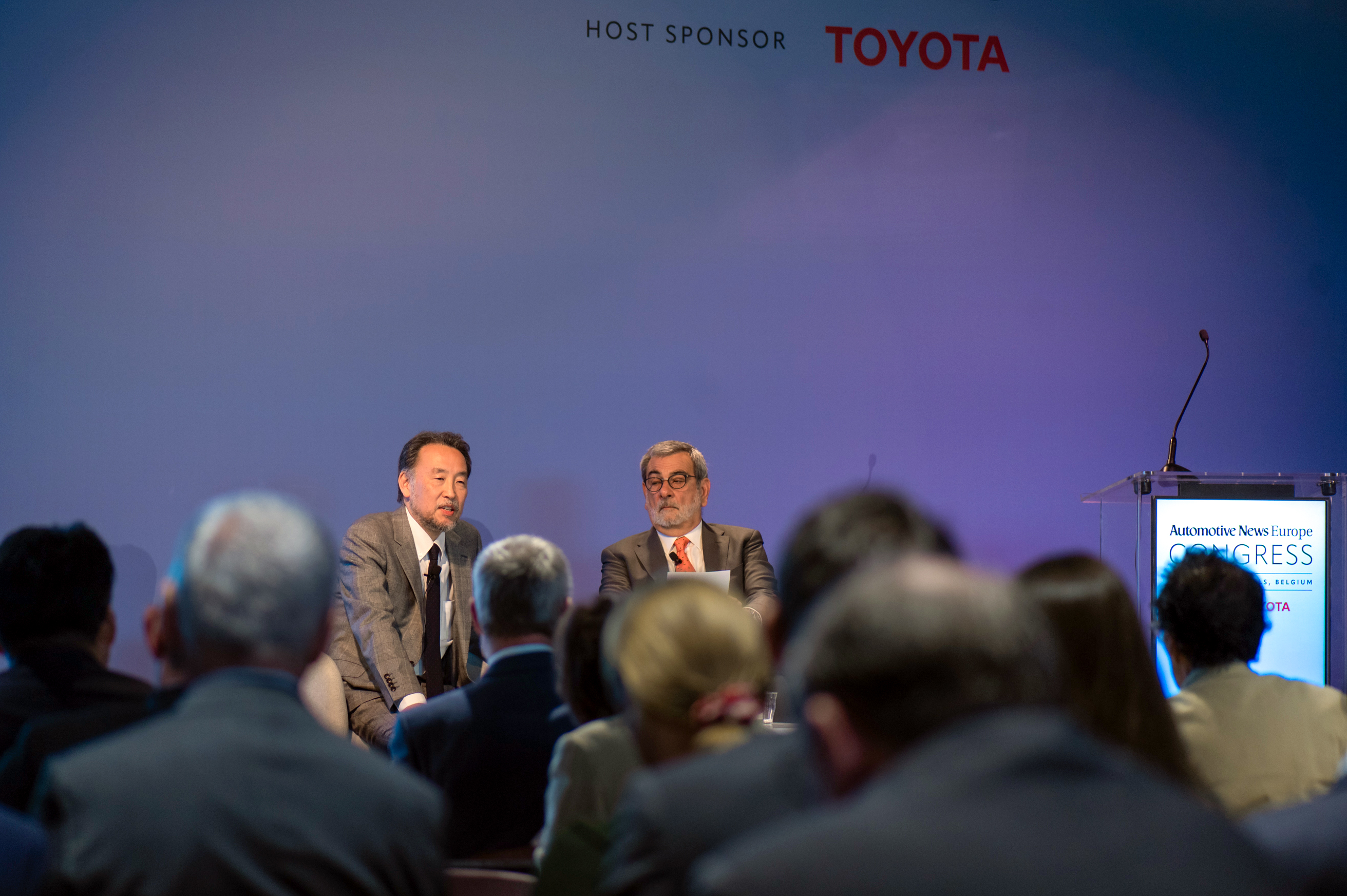
Speaking today (10 June) at the Automotive News Europe Congress in Brussels, Yoshihiro Nakata, President and CEO of Toyota Motor Europe (TME), set out Toyota’s vision for a competitive, resilient and decarbonised European automotive industry, calling for inclusive partnerships, technological diversity and regulatory pragmatism. He highlighted targeted adjustments to the proposed Industrial Accelerator Act and Automotive Package, aimed at strengthening Europe’s global competitiveness while delivering on its climate objectives.
Nakata emphasised how Toyota Motor Europe’s strategy is built on local contribution through its manufacturing base which represents a major industrial footprint in the region:
- 877,000 cars and LCVs – in 2025, 80 per cent of Toyota vehicles sold in Europe were made in the region
- Eight Toyota plants in Europe, plus Toyota vehicles built by partners at five further European plants
- 25,000 direct and many more indirect employees
- A network of more than 450 suppliers supporting Toyota and other European OEMs
Reaffirming Toyota’s commitment to Europe, he noted that TME “can be regarded as a European OEM”, reflecting Toyota’s core principle “to build where we sell and source where we build”.
Inclusive policy needed to secure EU automotive industry competitiveness
While stating that Toyota supports the intent of the EU’s Industrial Accelerator Act, he also highlighted that Europe’s automotive industry is strengthened by the contributions of selected international partners – among them Japan, the UK and Turkiye.
He expressed Toyota’s fears that excluding key international partners in the automotive sector could undermine future investment, employment and technology transfer, while reducing the regional scale considered necessary to be effectively competitive, globally.
Furthermore, at a time of intensifying global competition, he cautioned that delays and restrictive eligibility criteria risk undermining the EU’s position, while competing regions continue to advance.
“We believe that selected critical partners — for instance the UK, Japan, and Turkiye — should be recognised in the same way as ‘Made in EU’ under the Industrial Accelerator Act. Europe’s resilience is built not only on local production, but also on working with partners to create regional scale and shared success. By working together we are all stronger,” said Nakata.
A flexible pathway to 2035
Regarding the EU’s Automotive Package proposal, Toyota called for a technology-neutral multi-pathway approach to decarbonisation, reflecting true customer demand while keeping the environment in focus.
This includes:
- Continued rollout of battery electric vehicles (BEV) and fuel cell vehicles (FCEV)
- Strategic role of plug-in hybrids (PHEV) as a pragmatic and advantageous technology
- Swift confirmation of the wider use of renewable fuels to decarbonise new vehicles
- Flexibility built into the CO2 reduction pathway to reflect uncertain consumer demand while keeping true to the shared goal of decarbonisation
Furthermore, Nakata highlighted renewable fuels as a key contributor to decarbonisation, capable of significantly reducing carbon emissions, contributing to European technology expertise and delivering energy resilience against fossil fuel supply challenges.
He also called for strong implementation of the Alternative Fuels Infrastructure Regulation (AFIR) to deliver on hydrogen refuelling infrastructure commitments, particularly for heavy-duty transport.
Cross-industry alignment on renewable fuels
The topic of wider use of renewable fuels was echoed elsewhere at the ANE Congress in a panel of industry leaders, including Luis Cabra (President – Fuels Europe/Deputy CEO – Repsol), Frank Breust (Senior Director, Government Affairs, BMW Group), Michael Krueger (SVP Engineering Systems – Bosch) and Pascal Ruch (VP Corporate & Government Affairs – Toyota Motor Europe),
The discussion highlighted:
- The significant contribution that renewable fuels can make in the decarbonisation of new passenger cars and light commercial vehicles
- Further opportunity to decarbonise existing vehicles in operation with sufficient production
- The need for policy frameworks and the legislative certainty to support investment
- The importance of availability and affordability and the need to scale production
- The availability of certification and traceability systems to ensure credibility and impact
- Support of European combustion technology leadership and potential for energy resilience against fossil fuel challenges
ENDS