New technologies developed, tested and refined at Woven City
- Multiple technologies, products and services now being researched, trialled and refined at Woven City
- Toyota’s focus on expanding mobility and promoting the well-being of all, with the goal of zero traffic accidents
- AI a key enabler in delivering next-level mobility and safety for all
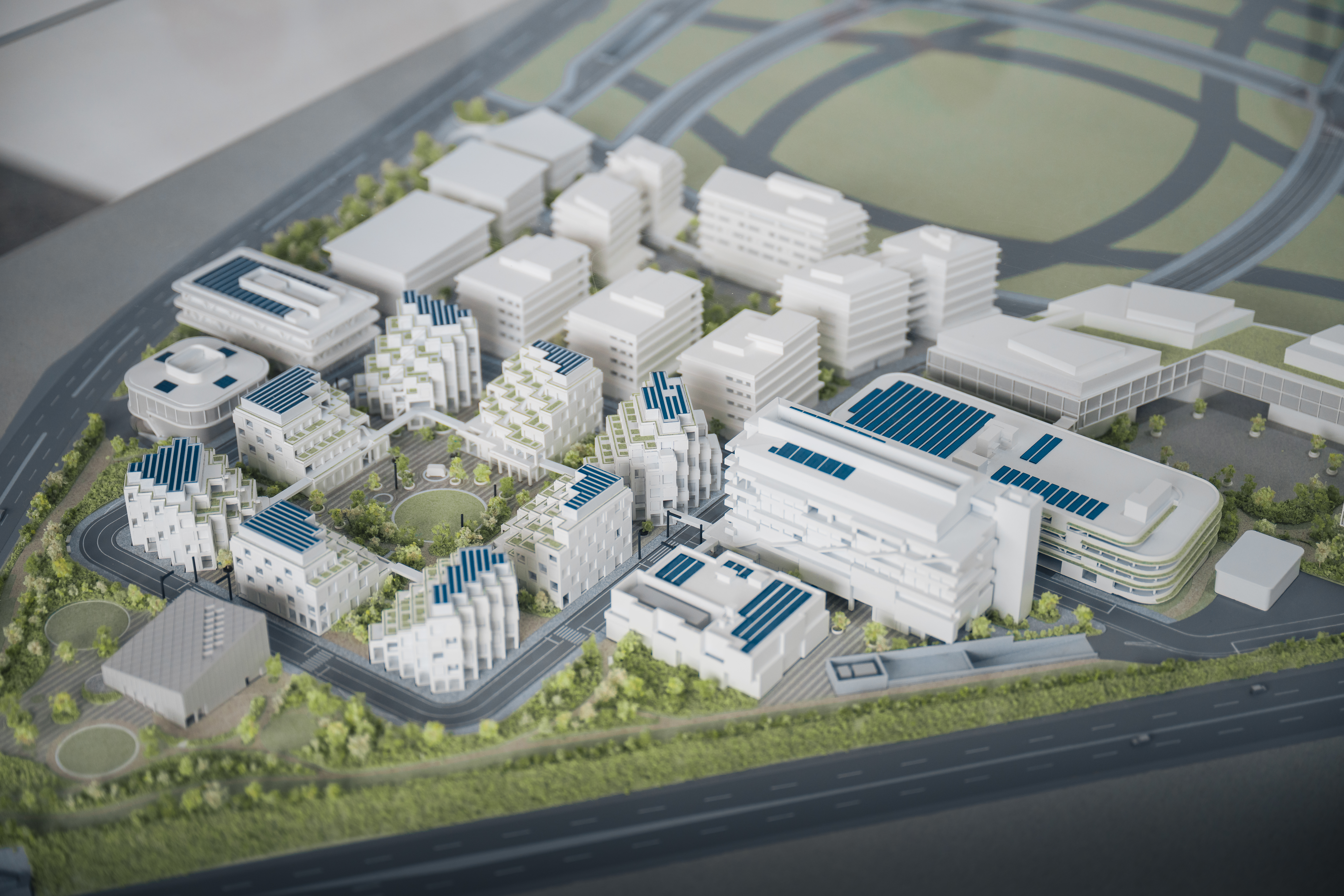
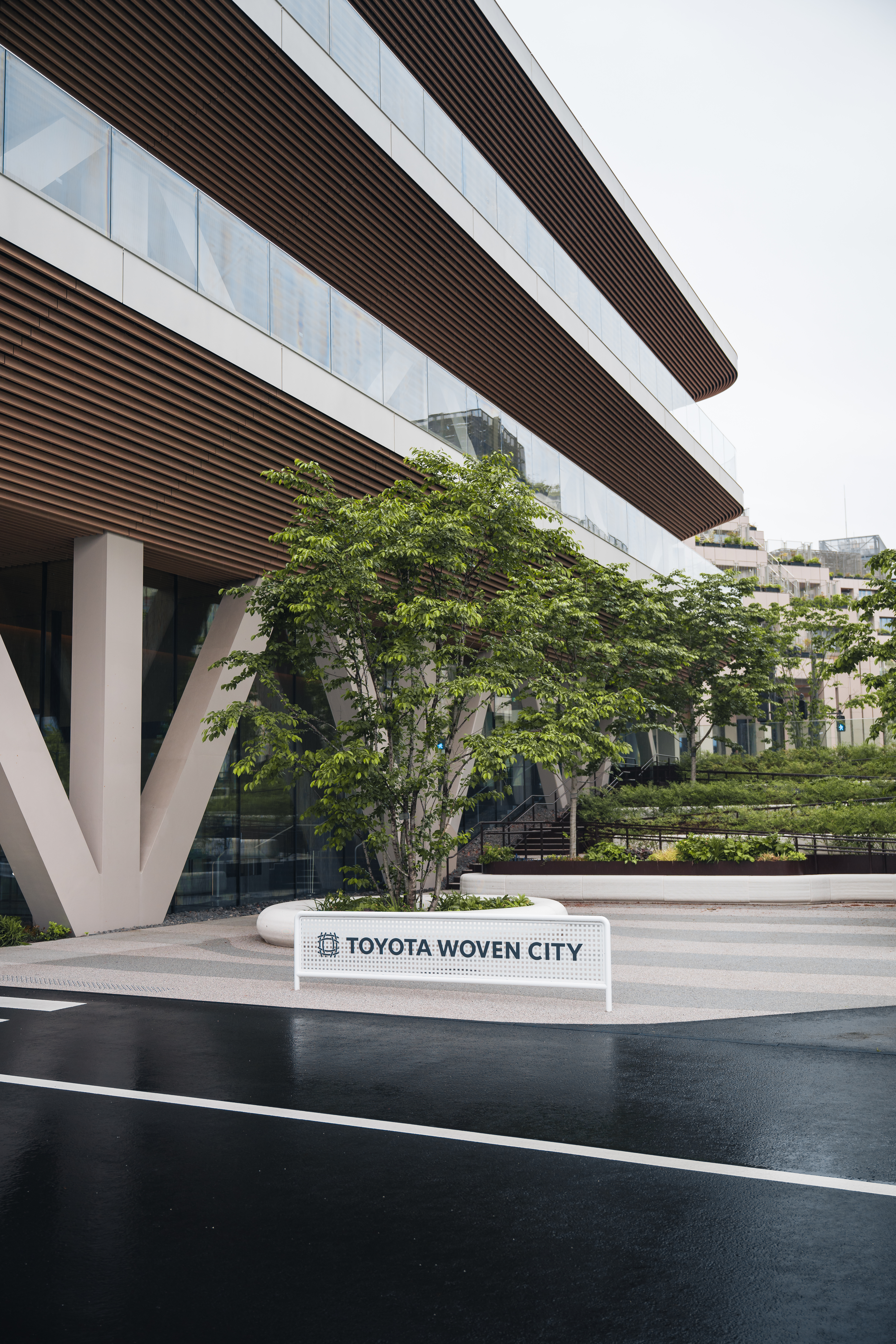
Across Toyota Woven City (Woven City), new and advanced technologies are developed and put to the test by residents – the Weavers – as part of their day-to-day life, in real-world situations. With the benefit of immediate user feedback, development and the Kaizen improvement process are streamlined and focused.
The community’s Kakezan Invention Hub showcases the new-value products and services that are being delivered by the Woven by Toyota’s kakezan approach – collaboration that combines the strengths of Toyota and partner businesses and specialists. Here, prototypes and product concepts are displayed and explained, prompting feedback and helping accelerate development.
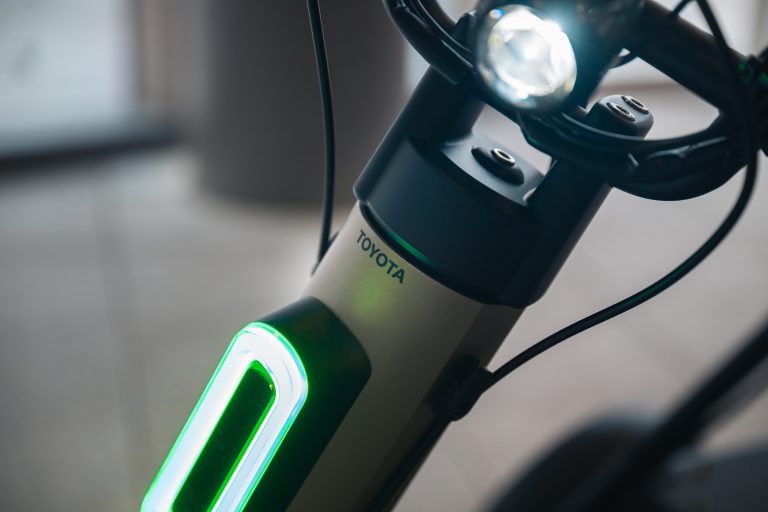
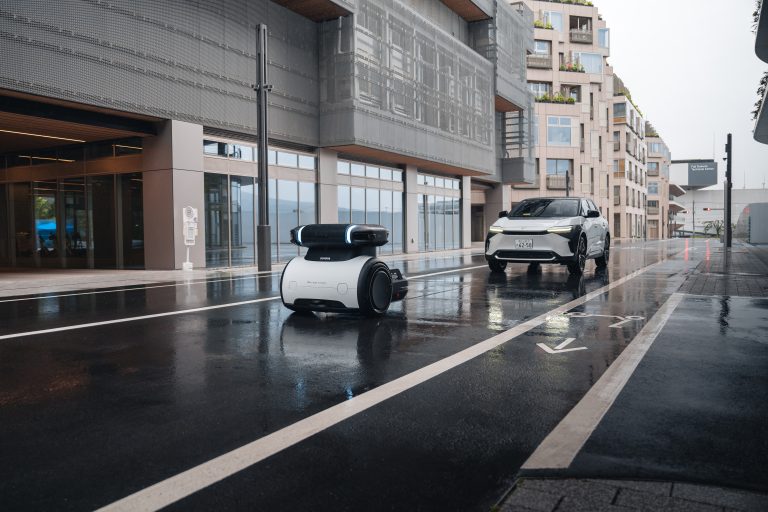
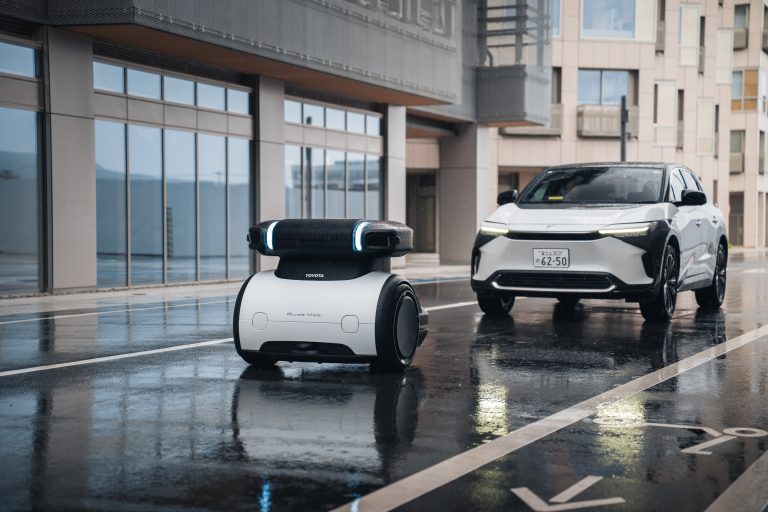
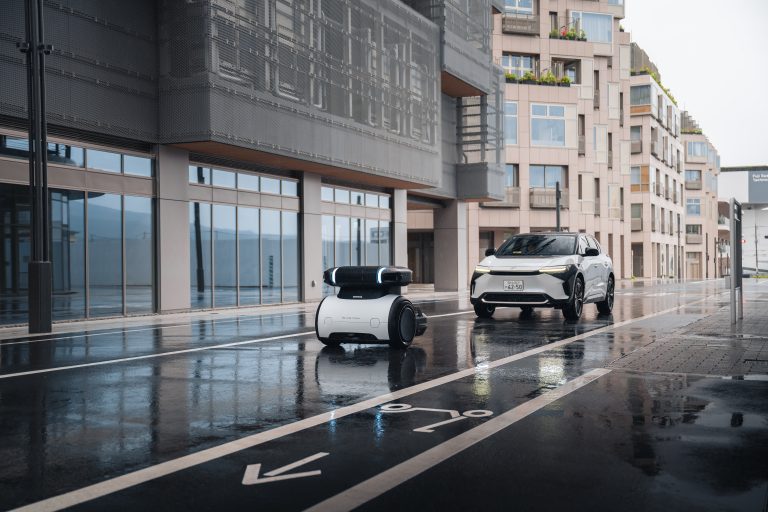
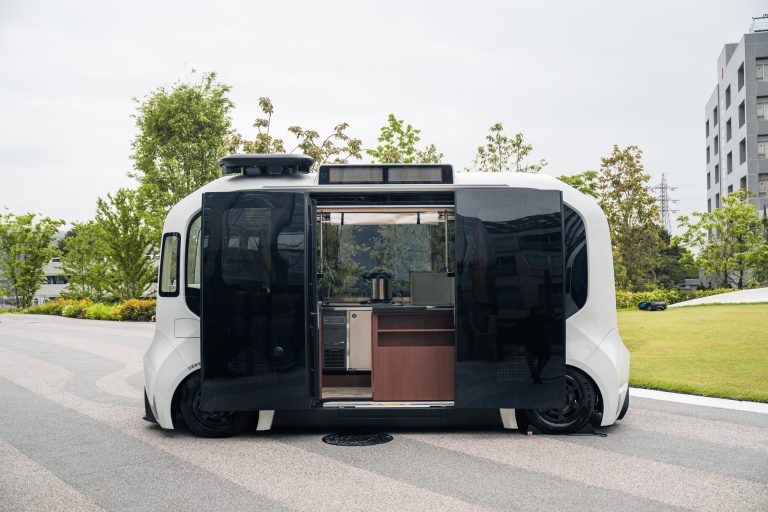
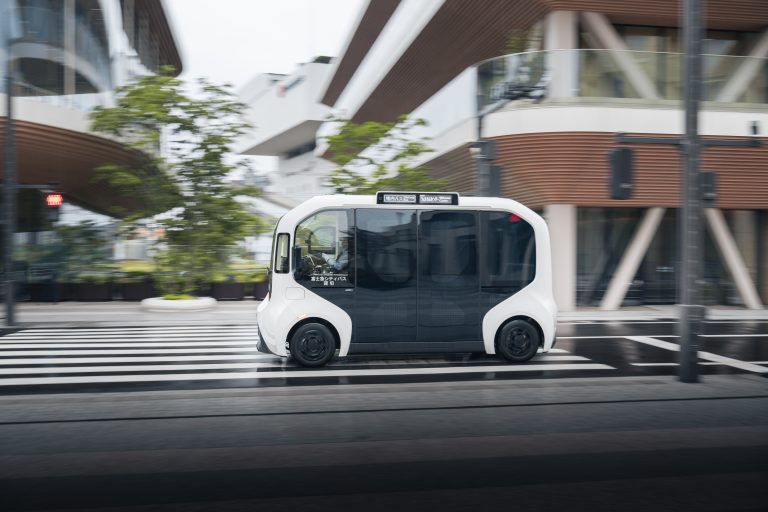
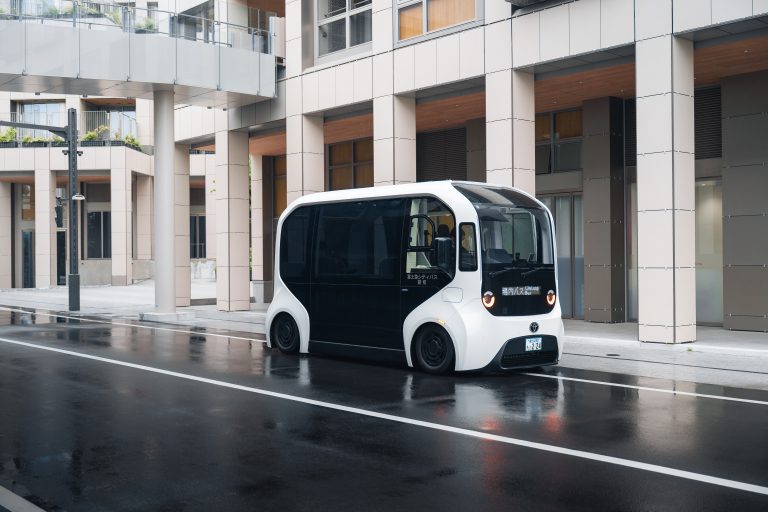
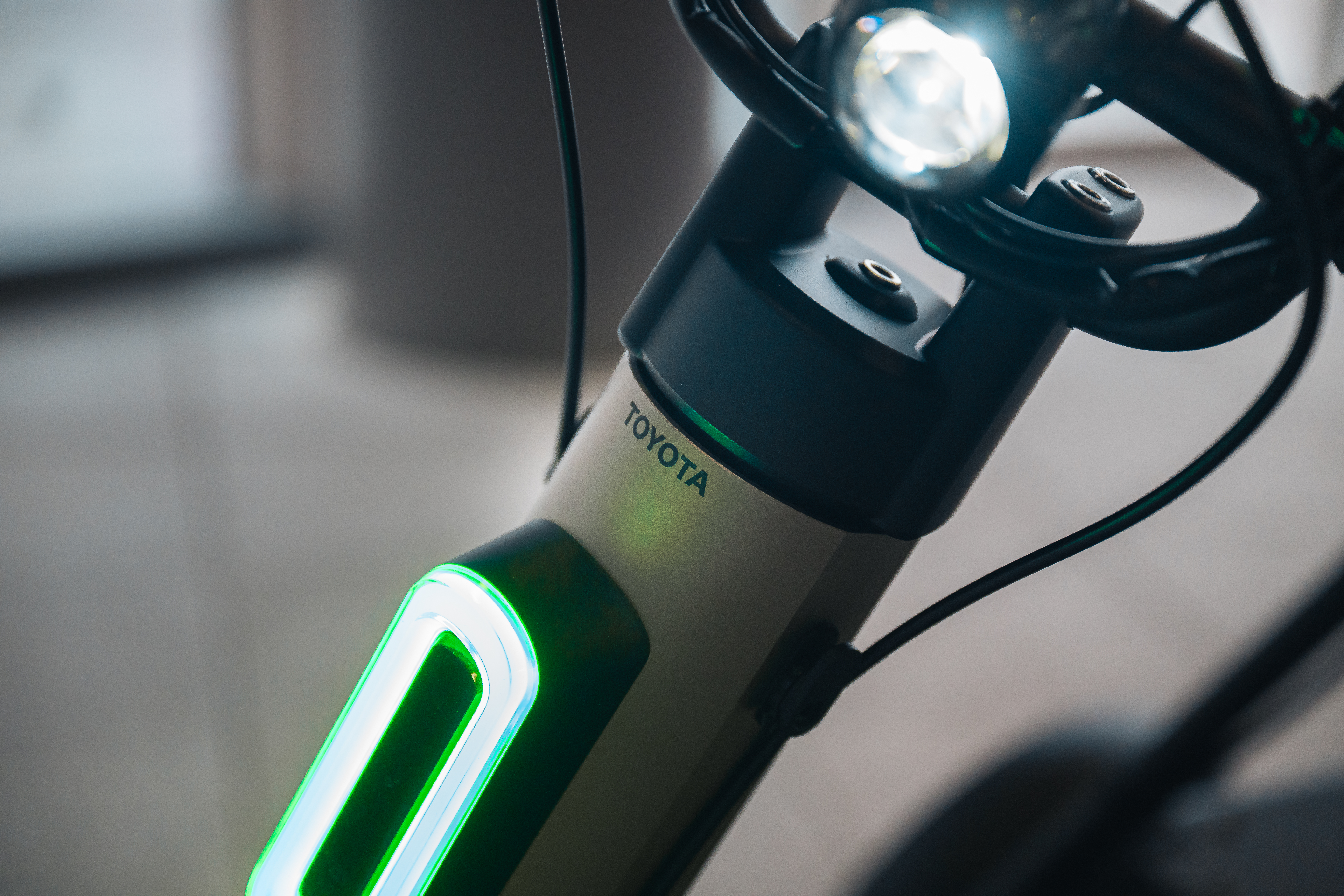
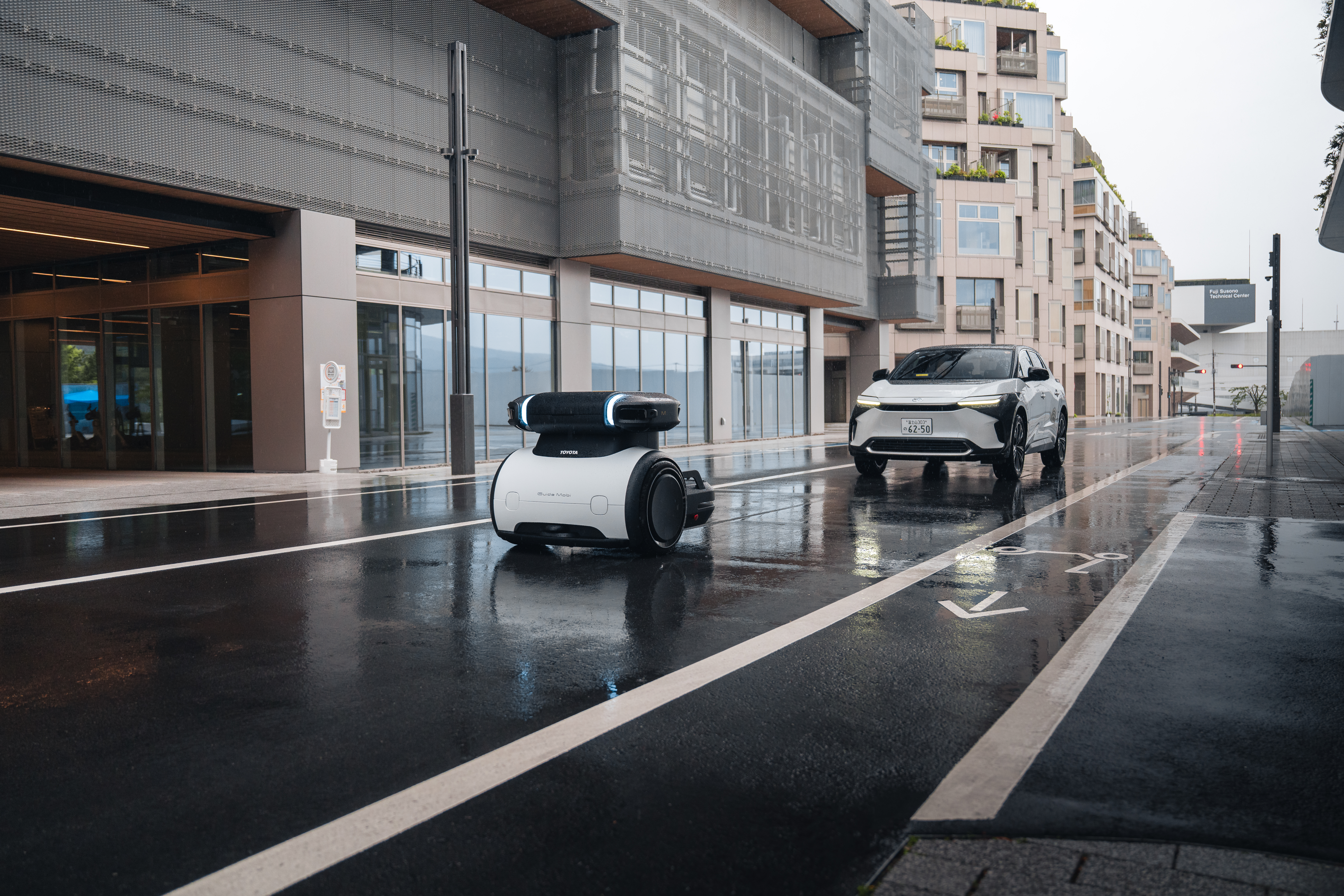
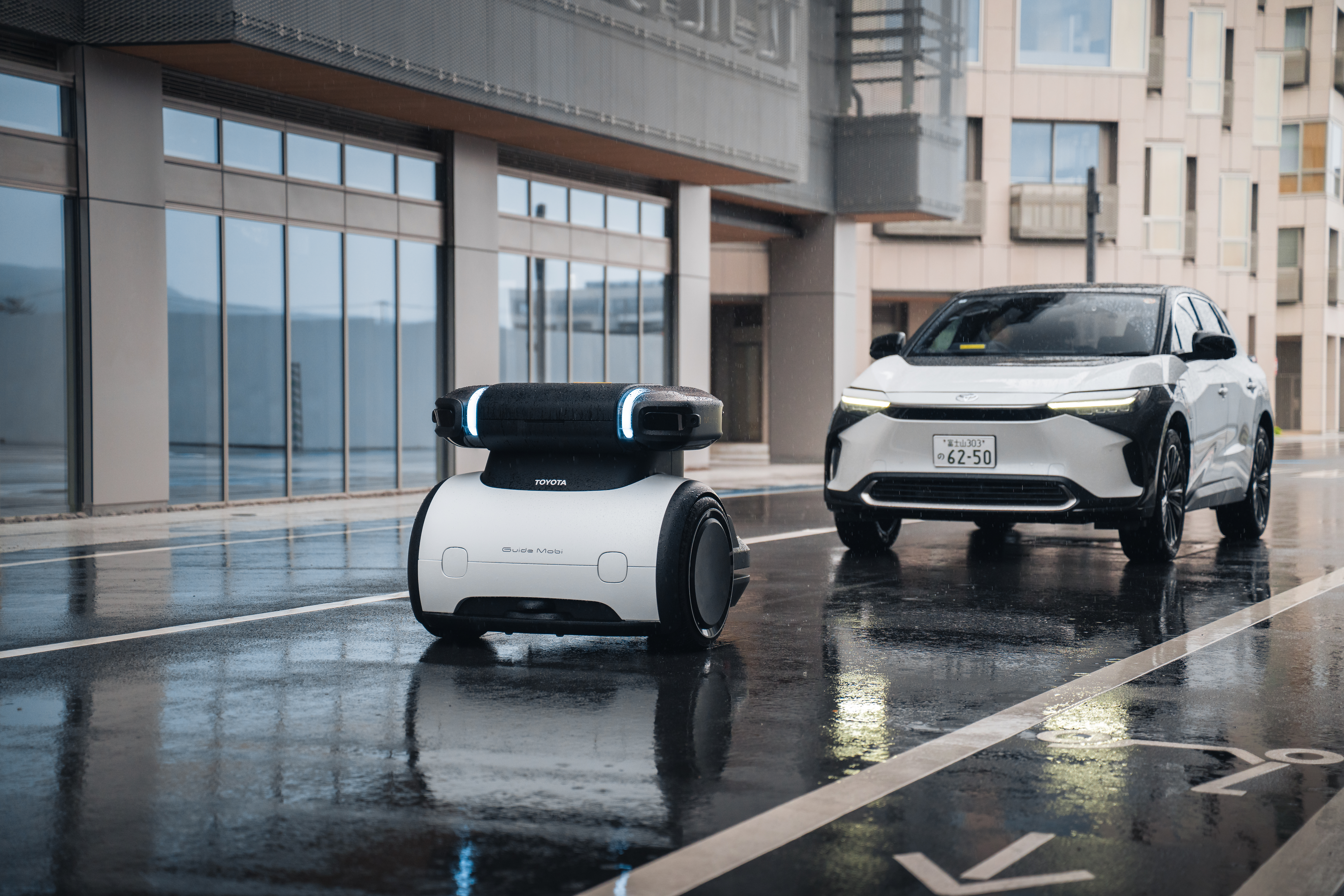
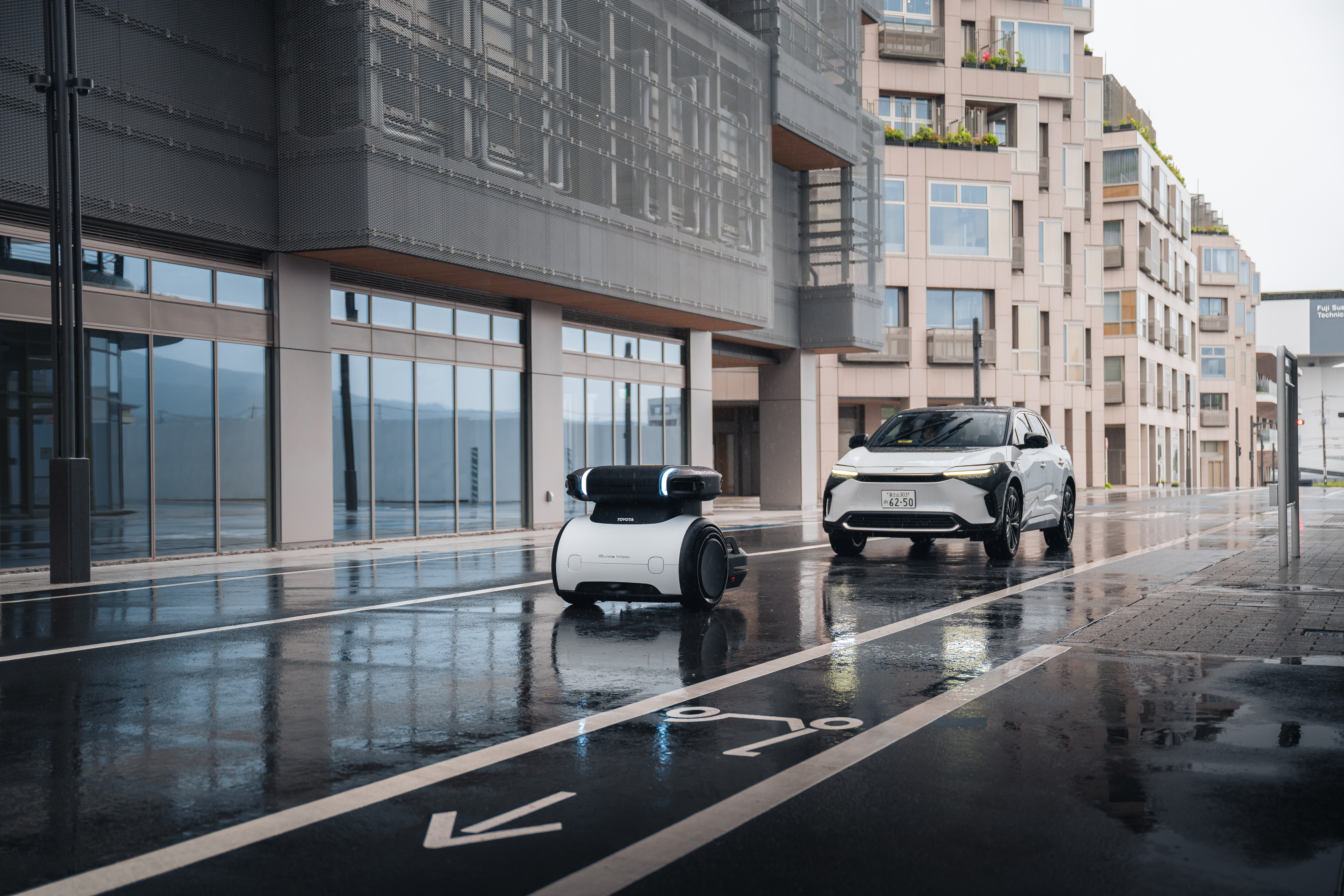
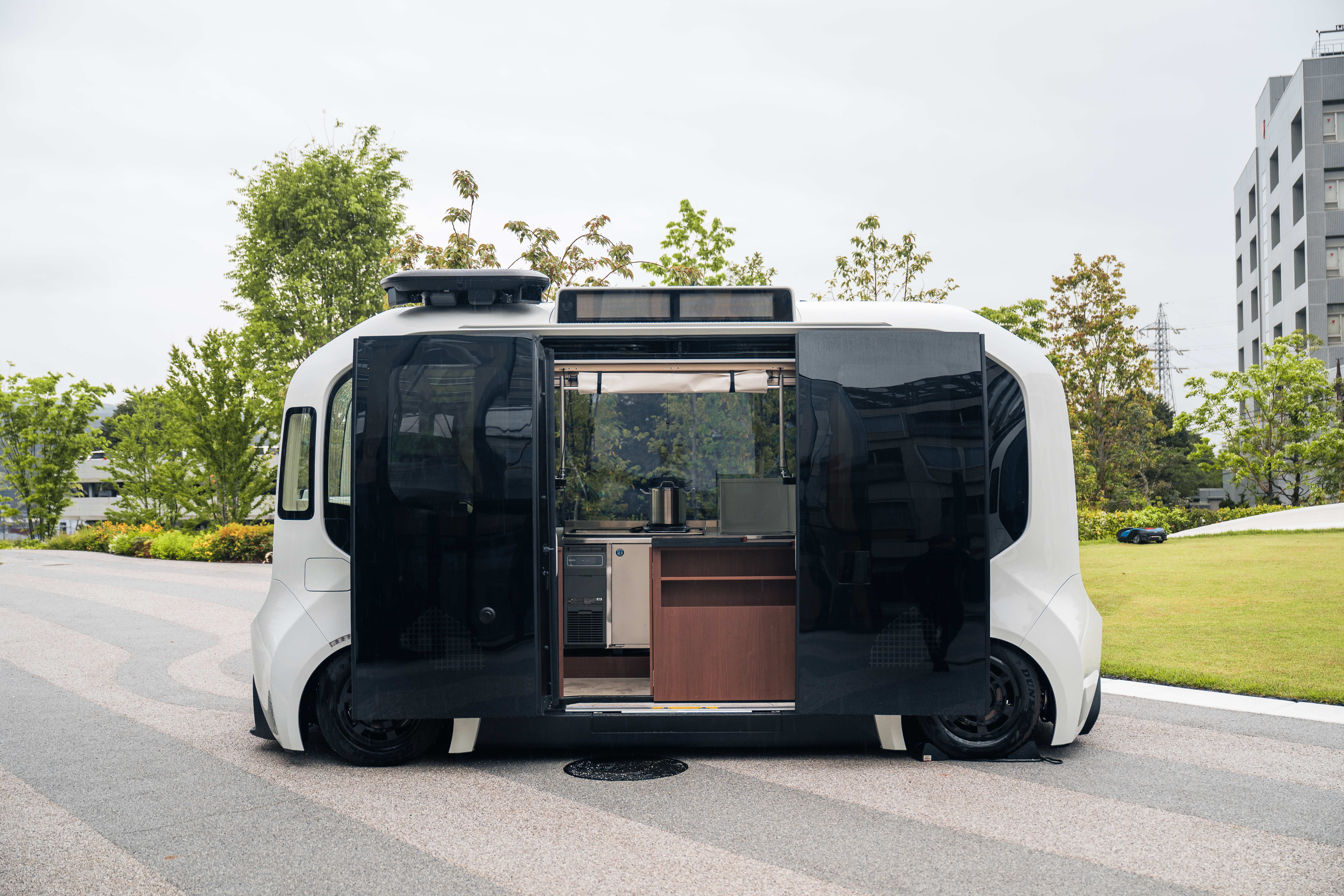
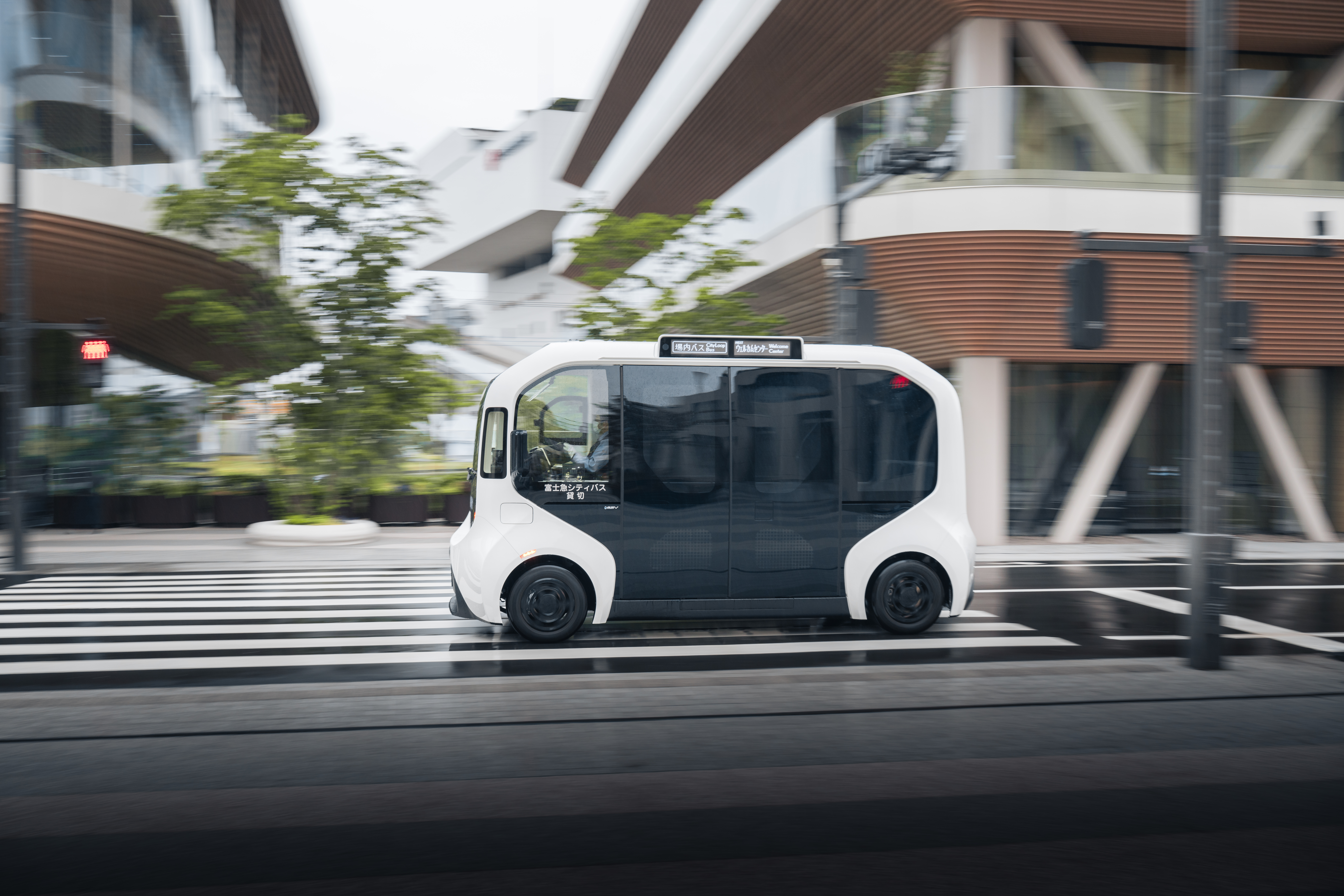
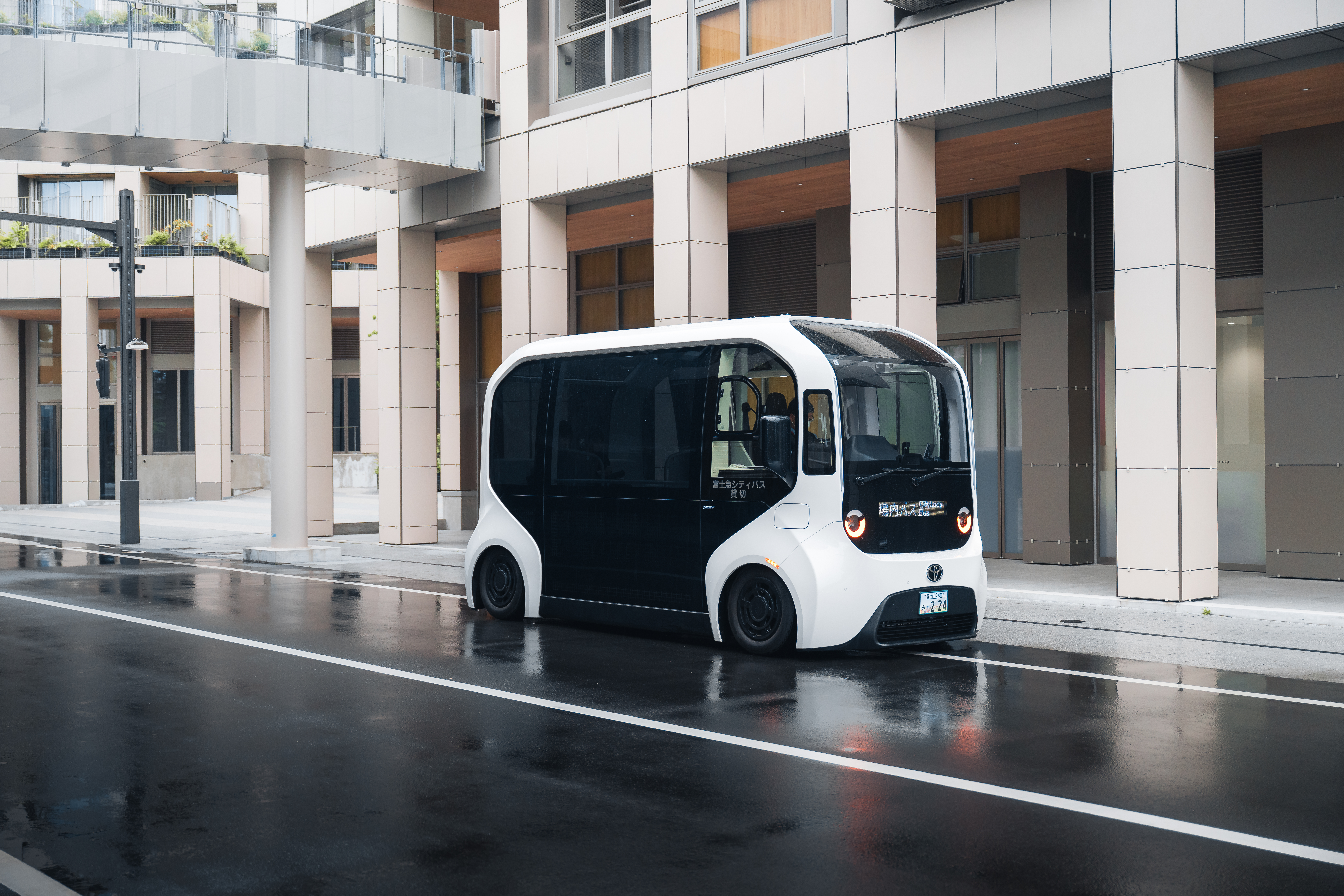
New mobility sharing solutions are in use on the city’s streets, including demonstrations of the Swake, a compact three-wheeled personal mobility vehicle (PMV). Summon Share uses an autonomous service with Guide Mobi self-driving robots to deliver shared vehicles directly to users. The city is also exploring the potential applications for the e-Palette, a battery electric vehicle that is designed to be scalable and customisable for a wide range of services – from minibus to mobile shop or small-scale medical centre.
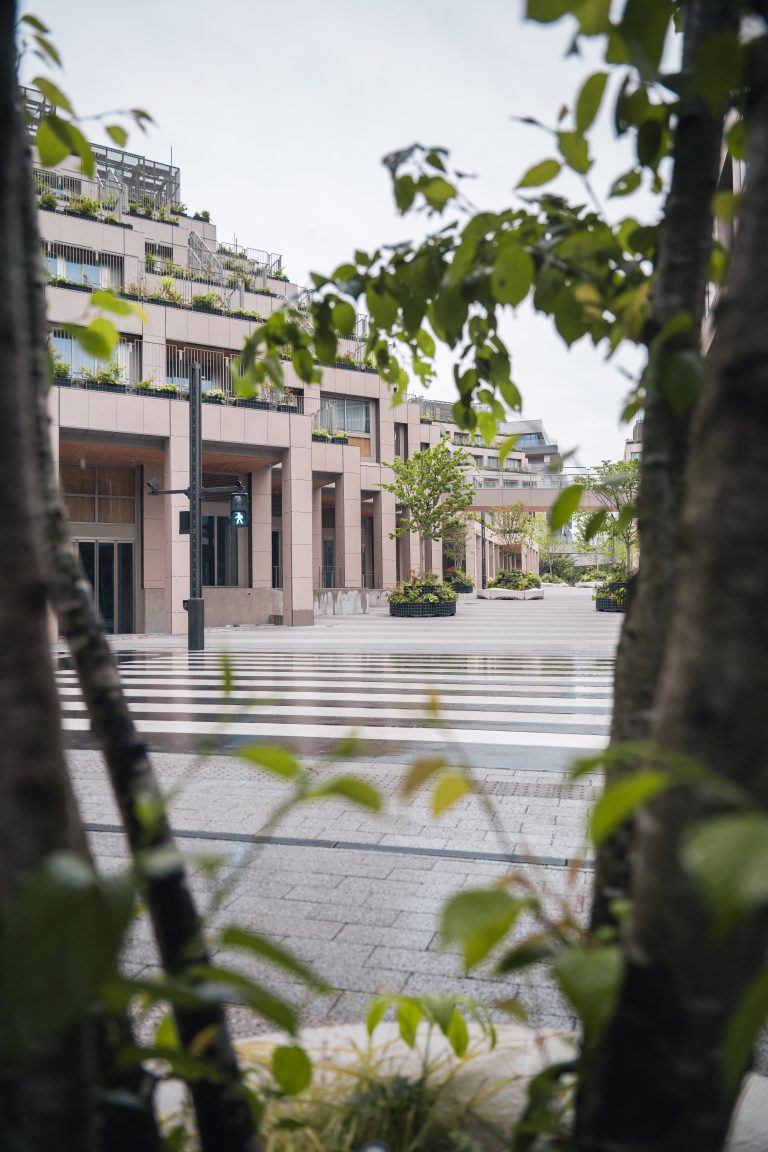
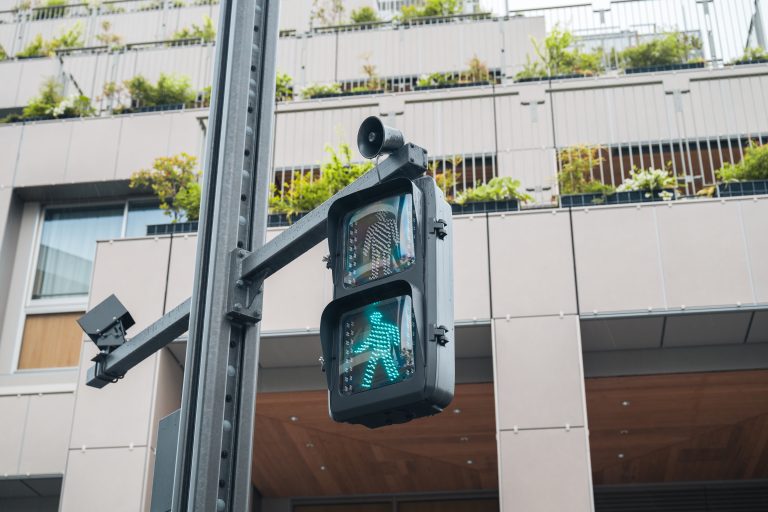
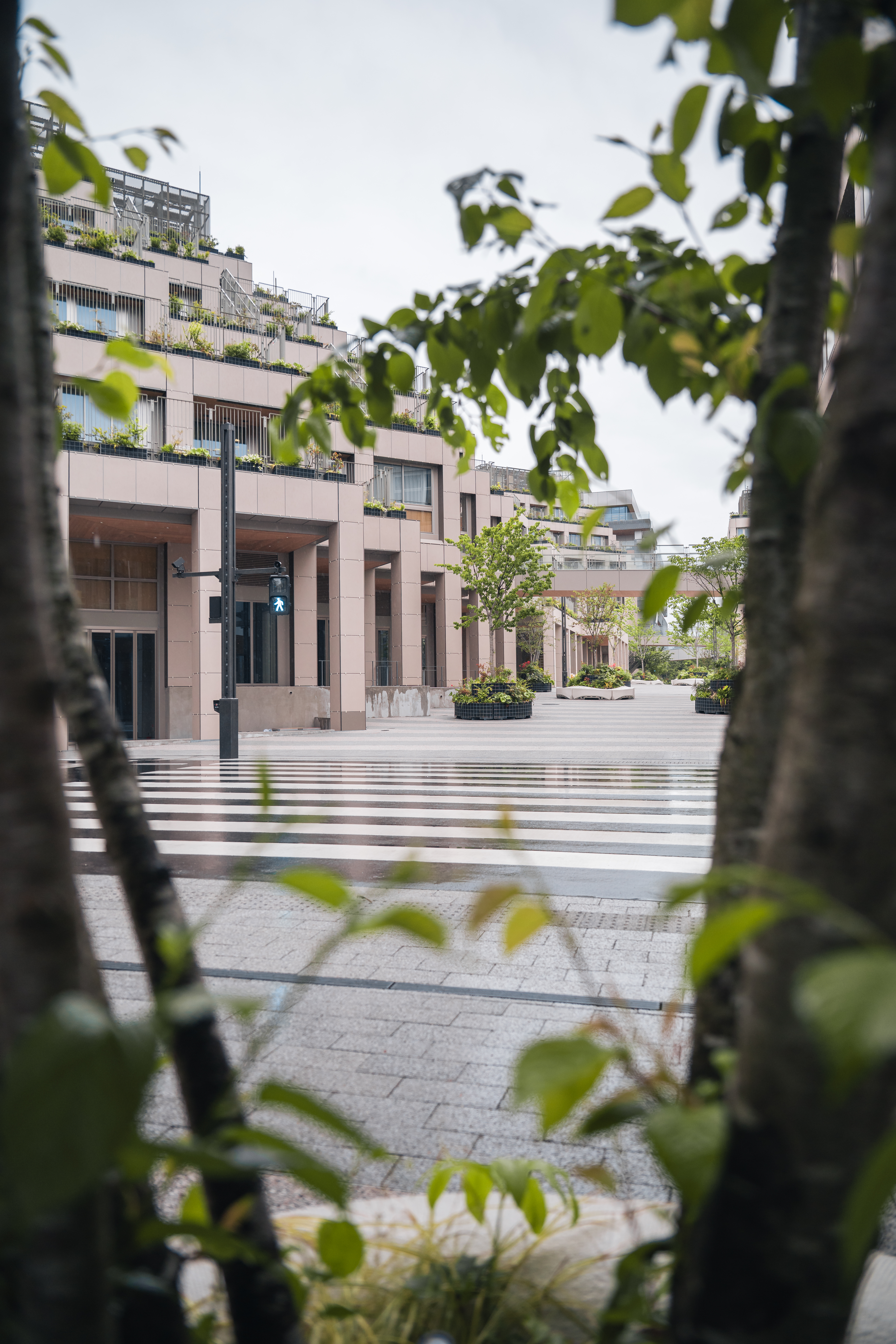
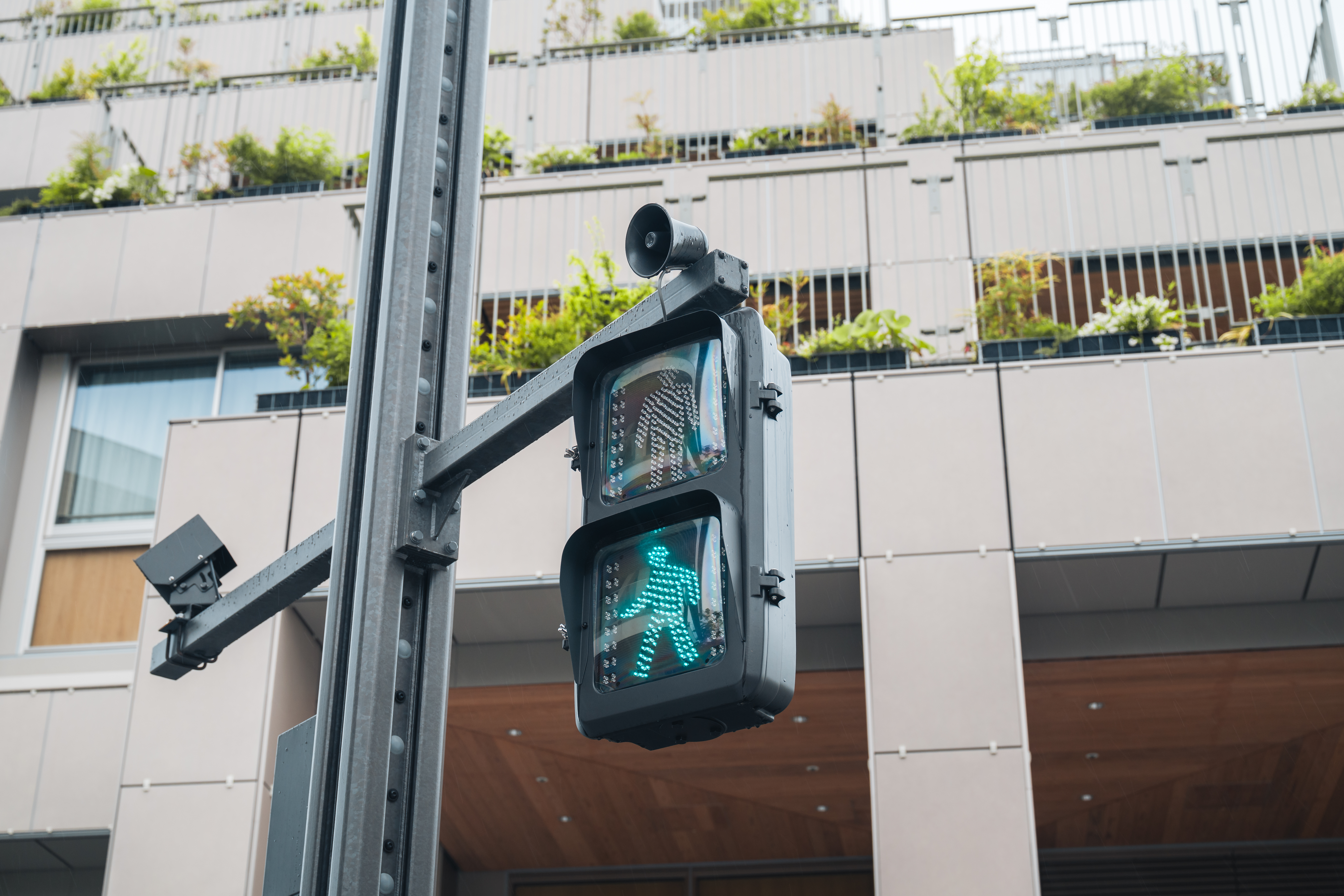
The streets of Woven City’s courtyard, a central open space surrounded by residential buildings, feature multi-functional utility poles that serve as streetlights and traffic signals and can also host sensors and cameras to test systems that intelligently co-ordinate infrastructure, mobility and people.
Other Inventor initiatives include a Coffee Shop by UCC Ueshima Coffee, where users provide personal feedback and AI analysis is used to examine relationships between people’s behaviour, experience and environment in real-world settings. A Dydo DRINCO proof-of-concept installation explores how next-generation vending machines might be designed to blend into everyday spaces, using a digital interface and cashless, QR-based operation in place of traditional buttons and coin slots. Meanwhile, Daikin Industries has produced a “personalised functional environment” concept where air conditioning is co-ordinated with visual, audio and aroma controls.
Technologies to drive the delivery of future mobility, safety and innovation
Woven by Toyota (WbyT) is working to expand mobility, delivering greater possibilities for both individuals and society as a whole and aiming to enhance the well-being of all. Safety and peace of mind are the first step in realising that vision, with the ultimate goal of zero traffic accidents.
Toyota has continuously refined its technologies and sought ever-higher safety levels. But it realises that improving vehicle performance alone is not enough. That is why it is going beyond the boundaries of cars and industry to develop the systems used by society itself, to enable people, mobility technologies and infrastructure to communicate, understand each other and work together.
When society functions as one connected system, WbyT believes true safety and peace of mind can be realised. To make this possible, the company is working on the development of a wide range of systems and technologies that can be implemented in cities around the world, using the power of kakezan collaboration.
Below are some examples of the projects under development and at different stages of maturity, from initial design to proofs of concept testing and preparation for commercialisation.
Arene
Arene is an integrated software development platform designed to help OEMs build software defined vehicles (SDVs) more efficiently. It provides a comprehensive foundation that standardises and streamlines the development, testing, validation, deployment and continuous improvement of vehicle software.
As an example, Arene SDK provides the building block for consistent software development, promoting the reuse of various assets, improving both development speed and efficiency. Arene Tools offers integrated testing with virtual environments, helping achieve quality improvements from the early stages of vehicle development. Arene Data provides the secure data infrastructure needed for meaningful software improvements across vehicle models and Arene itself.
Arene enhances collaboration with partners and improves overall development efficiency, so OEMs can maintain high software levels while delivering high-quality customer experiences.
Automated driving
Toyota’s automated driving technology enables vehicles to interpret complex driving environments, anticipate the behaviour of other road users and respond with the goal of smooth, natural, human-inspired driving. AI reasoning provides deep scene understanding and a stable safety framework promotes predictable, consistent behaviour under defined operating conditions, aligned with local driving rules.
Toyota can deploy the automated driving stack across multiple vehicle platforms and automation levels, from advanced driver assistance in mass-market vehicles to higher levels of automated driving in premium or specialised applications. A transparent Active Learning Loop gives engineers full visibility of the system learned from real-world driving data, so improvements developed for one vehicle can benefit others acros the fleet.
The system, currently under development, learns from vast amounts of driving data, collected from millions of miles of driving around the world. This enables it to deliver driving behaviour that feels natural, intuitive and reassuring.
Woven City AI Vision Engine
Woven City AI Vision Engine is a world-leading*1, multimodal*2, large-scale foundation AI designed for video analysis. By analysing camera footage from across cities, better understanding can be gained of how people, different mobility forms and other subjects behave. This can provide insights for safer, more secure and more comfortable living. With the capacity to handle large volumes of footage, it can understand the context of situations, such as accidents and lost individuals.
(*1) According to the MVBench Leaderboard, a benchmark for evaluating video-based AI comprehension and analysis.
(*2) Multimodal: A technology that integrates and processes two or more different types of data (modalities), such as text, images, video and sensor data.
Woven City Integrated ANZEN
Woven City’s Integrated ANZEN System is a new social infrastructure that helps provide peace of mind across a city by connecting people, mobility technologies and infrastructure. By achieving integrated understanding of behaviours and intentions, it supports safer transportation for society as a whole.
The system anticipates risks and anomalies before people even notice them, optimising safety decisions and actions. For example, traffic signals can dynamically adapt in line with pedestrian movement or driver intentions, while mobility systems share information to co-ordinate stopping or avoidance behaviours. The system marks a step towards a zero-accident future, enhancing safety at a societal level.
Woven City Data Fabric
Woven City Data Fabric is a new framework for secure and flexible personal data management.
For example, based on your selected privacy settings, you can share location data with stores to receive personalised recommendations, or provide anonymised mobility data to help improve city traffic conditions. Individuals retain control of how their personal information is process, depending on the situation. Data that are typically kept private can also be provided only when needed, in the required amount and to the appropriate party, making this approach applicable to a wide range of app development.
The technology unlocks flexible data-sharing and use, while protecting personal privacy, paving the way for a safer, more secure and liveable society.
Woven City Infra Hub
Woven City Infra Hub is an integrated platform that brings together diverse data gathered from people, mobility technologies and infrastructure across a city so that it can function as a single, unified system. Bridging differences in data and control systems allows for seamless collaboration between vehicles, robots and facilities, reducing friction and complexity.
Woven City xEV-VPP
Woven City’s xEV-VPP is a system that leverages fleets of EV batteries as a new source of energy. Parked EVs are treated as large-scale batteries, with their energy intelligently managed so they become a new form of infrastructure that can help companies cut their carbon emissions and meet their environmental goals. Energy stored in the EVs can be used to help stabilise supply of intermittent renewable energy sources such as solar and can function as an emergency supply in the event of a disaster. A group of 50 BEVs are being used in a proof of concept trial at Woven City ahead of a commercial launch.
Woven City Robot Platform
The Woven City Robot Platform is being developed to accelerate service and technology development in robotics. It comprises a number of elements including development software, such as simulation tools; hardware systems for testing ideas; integration systems to connect robots with infrastructure such as lifts and automatic doors; and comprehensive robotics systems to support the mobility of goods.
It will enable developers to quickly assemble robotics systems and allow ideas to be implemented on the spot and refined through rapid iteration. In addition, by developing features and training AI in faithful real-world simulations, the results can be seamlessly deployed to physical robots. This continuous loop allows ongoing user feedback to be gathered and the accumulation of high-quality training data. The technology is now being prepared for sales.
Woven City Digital Kaizen Platform
The Woven City Digital Kaizen Platform allows operational data to be collected and analysed and different solutions to be simulated and validated digitally before being implemented in real-world applications. This accelerates kaizen (continuous improvement) across manufacturing, logistics and other mobility domains while mitigating critical risks, reducing validation costs and supporting the efficient delivery of new ideas. Proofs of concept are being conducted both in Japan and other countries, ahead of commercial launch.
ENDS