Toyota Woven City: a living test course for future mobility
- Phase one activities in progress at Toyota Woven City, a real-world test course for mobility innovation
- The first Inventors – partner companies, startups and entrepreneurs – and residents, known as Weavers, are developing and testing ground-breaking products and services, harnessing the potential of human-focused AI
- Innovation through kakezan, the successful collaboration of diverse industries and individuals
- Woven City originated by Toyota as a key element in transition from auto market to mobility company, delivered by Woven by Toyota
- Project rooted in Toyota’s heritage as a weaving business and its long-standing commitment to deliver well-being to all.
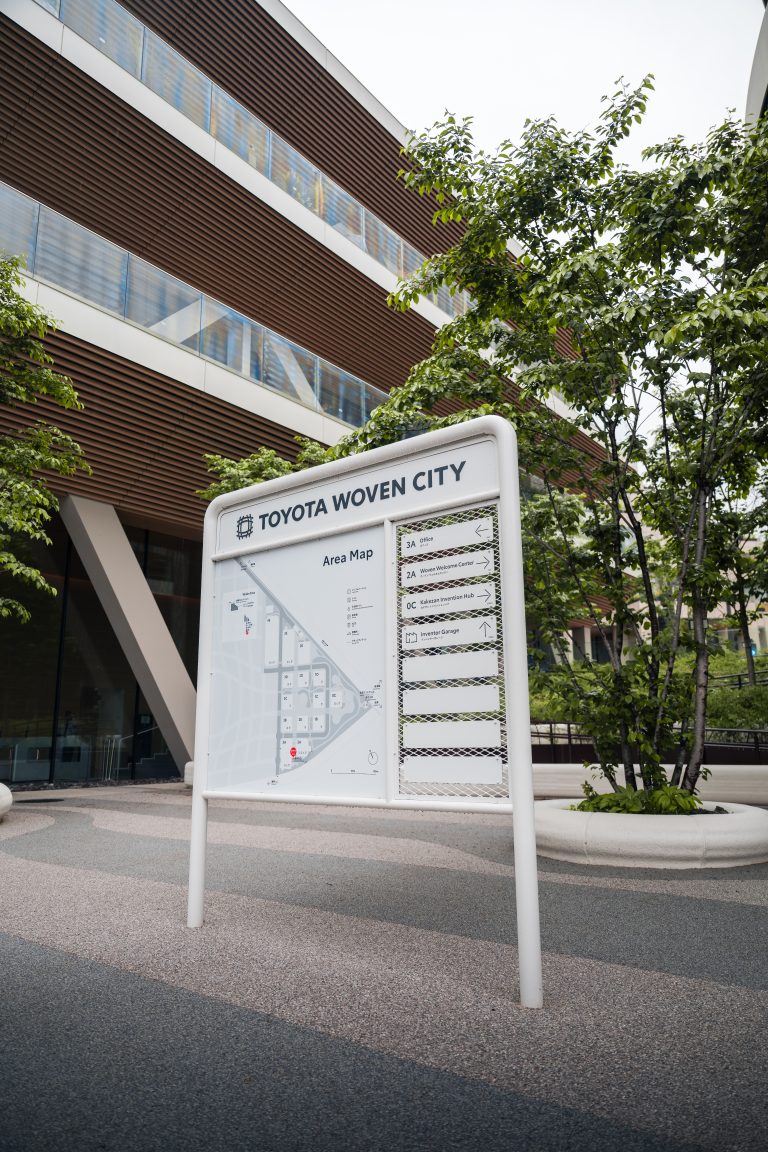
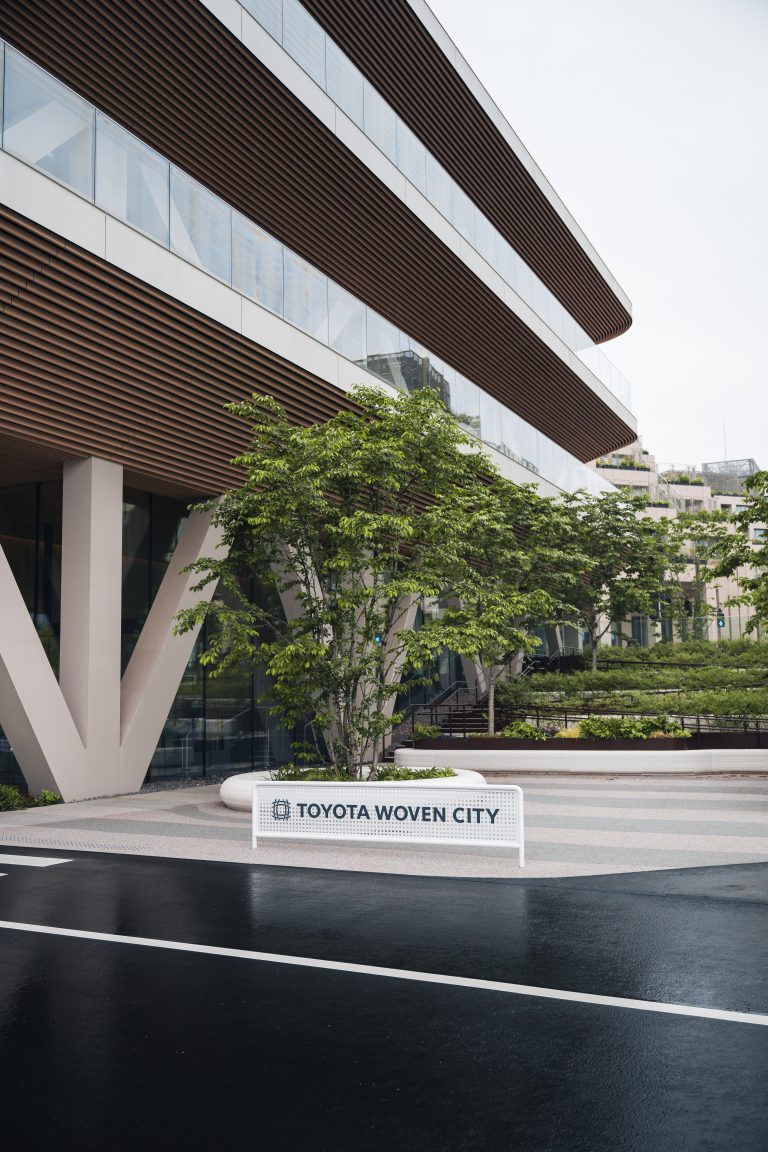
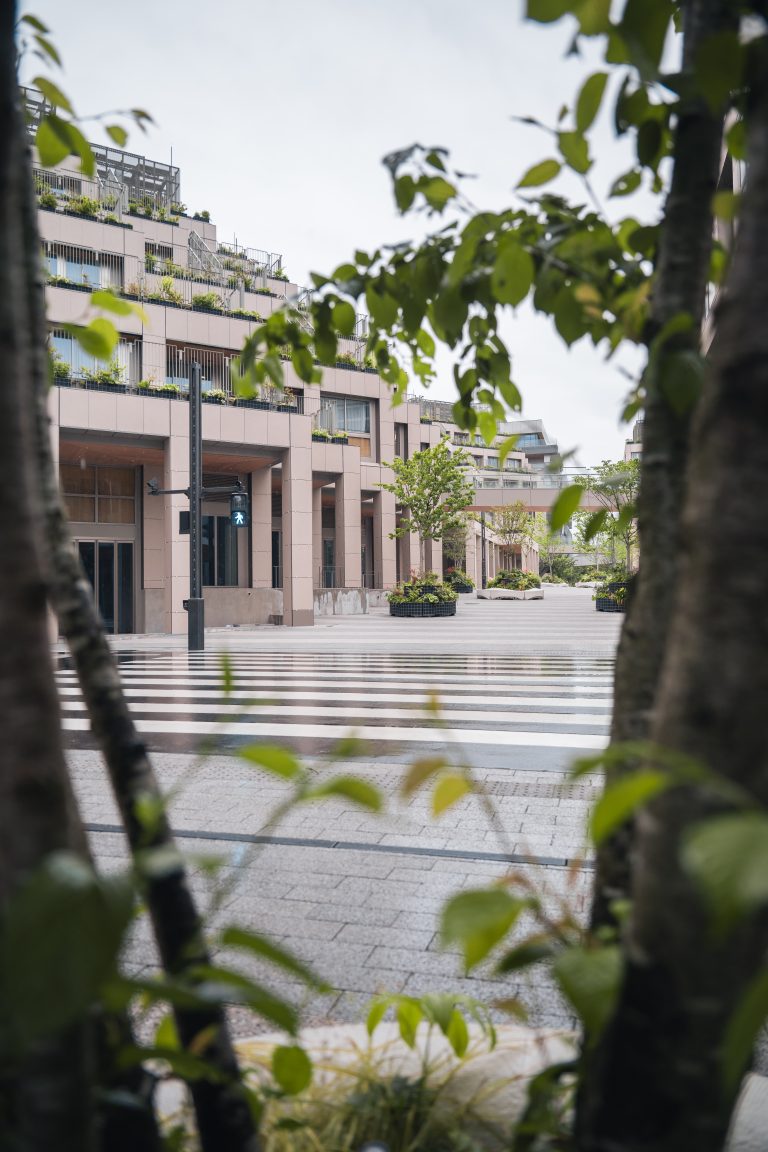
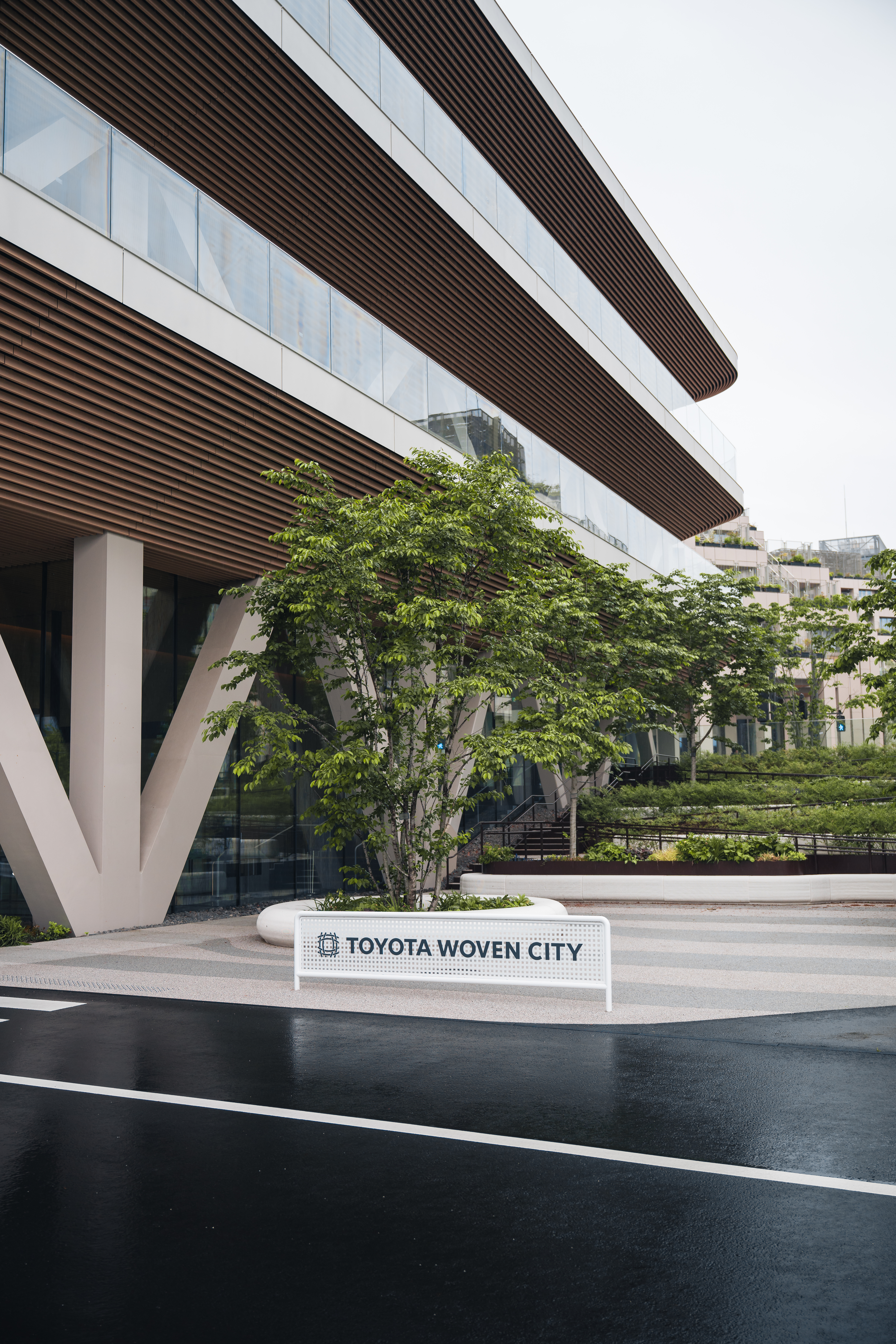
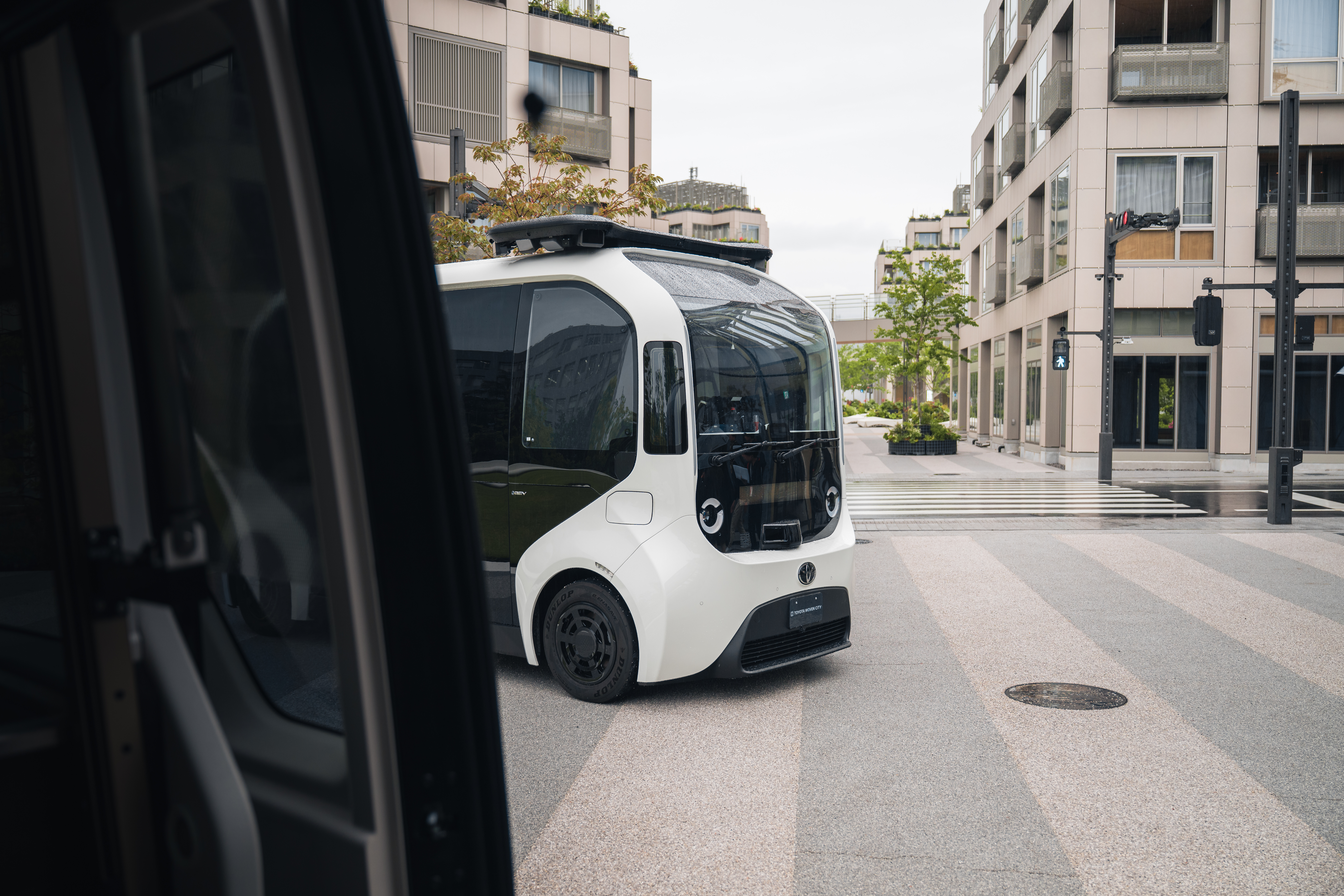
Toyota is forging the future of human-centred mobility at Toyota Woven City (Woven City), a living laboratory for innovation where new concepts can be identified, developed and tested in a real-world environment.
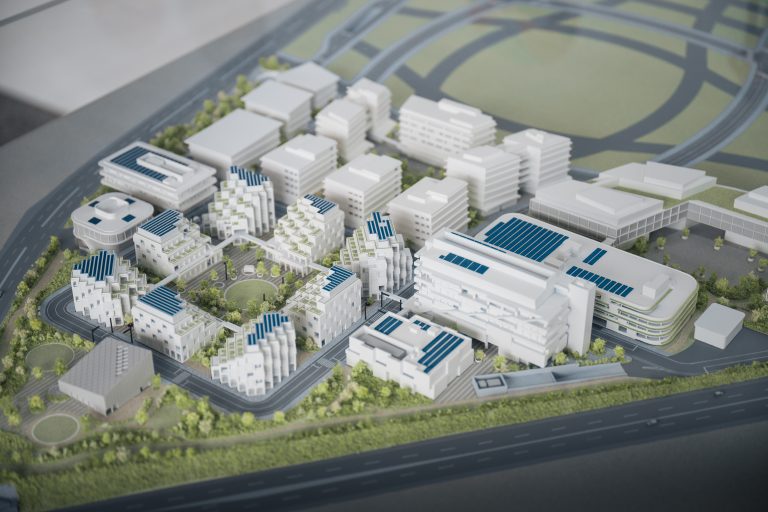
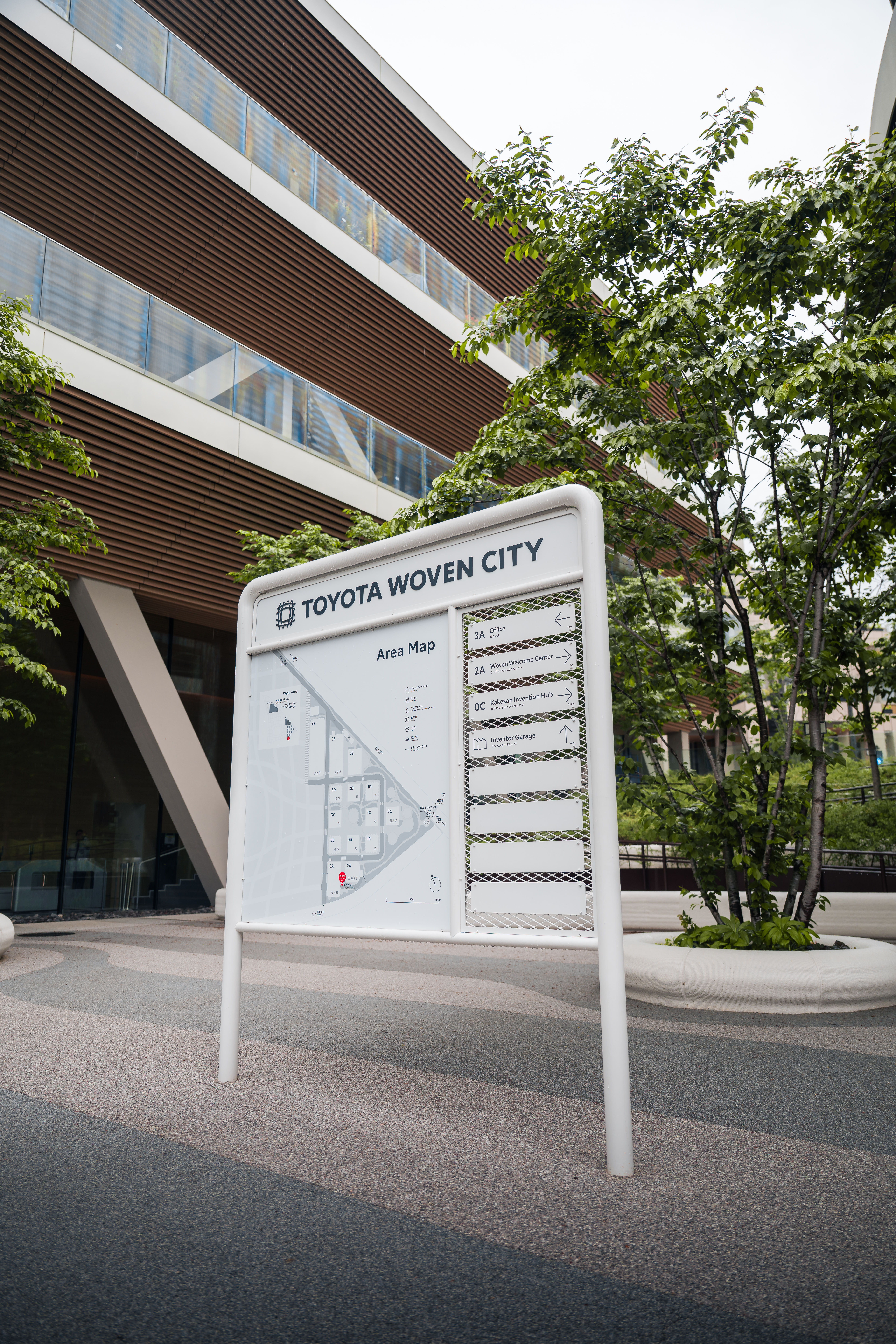
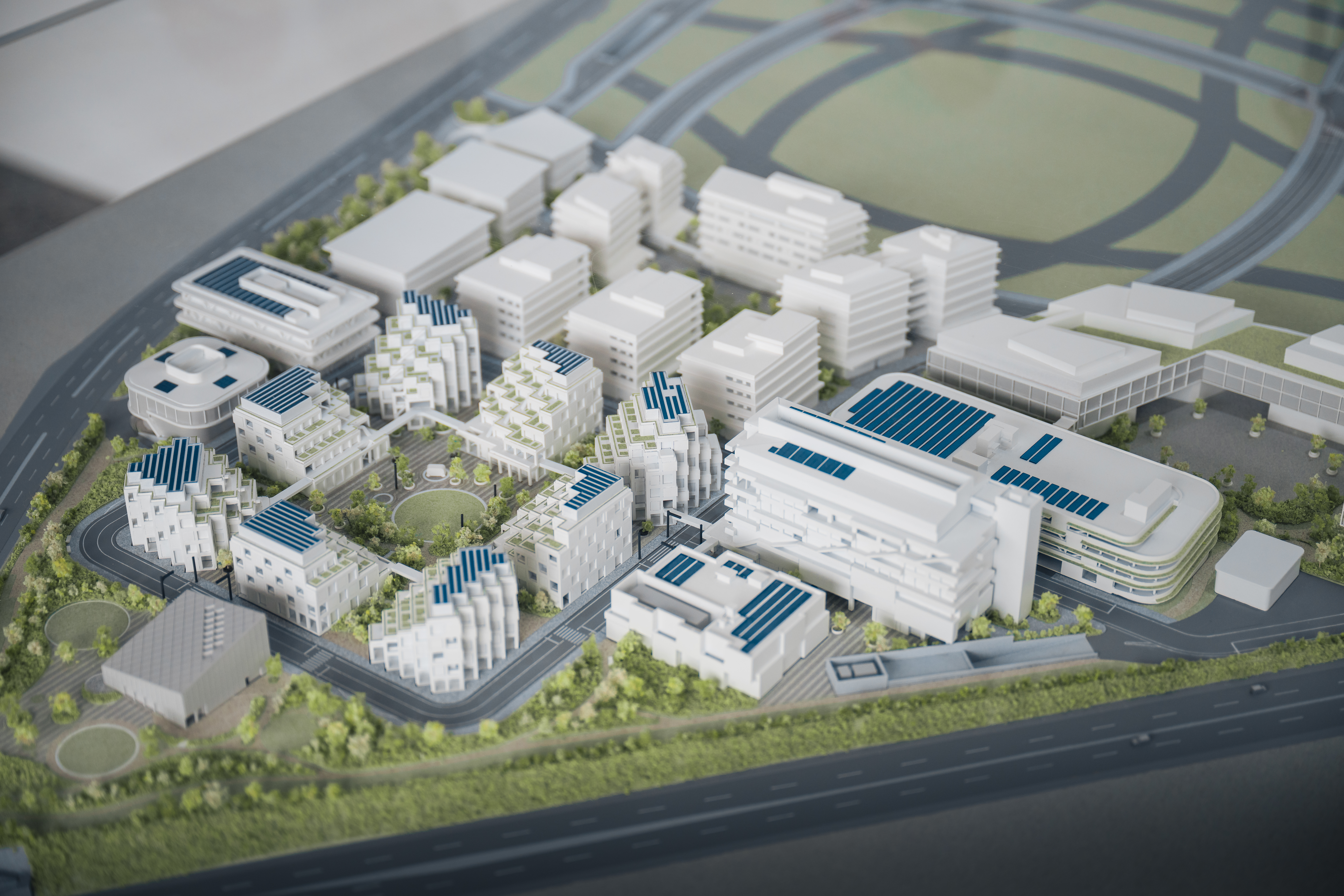
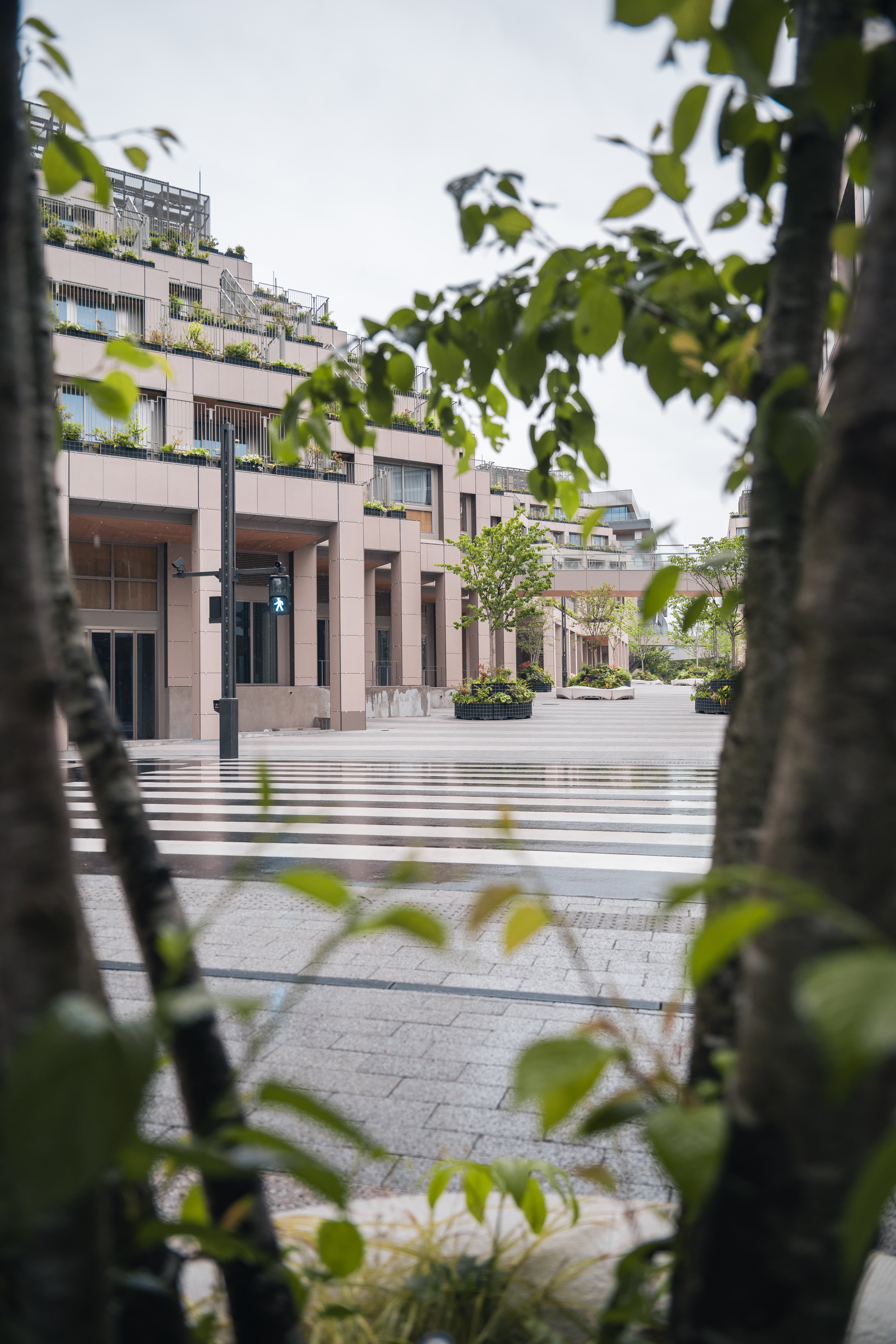
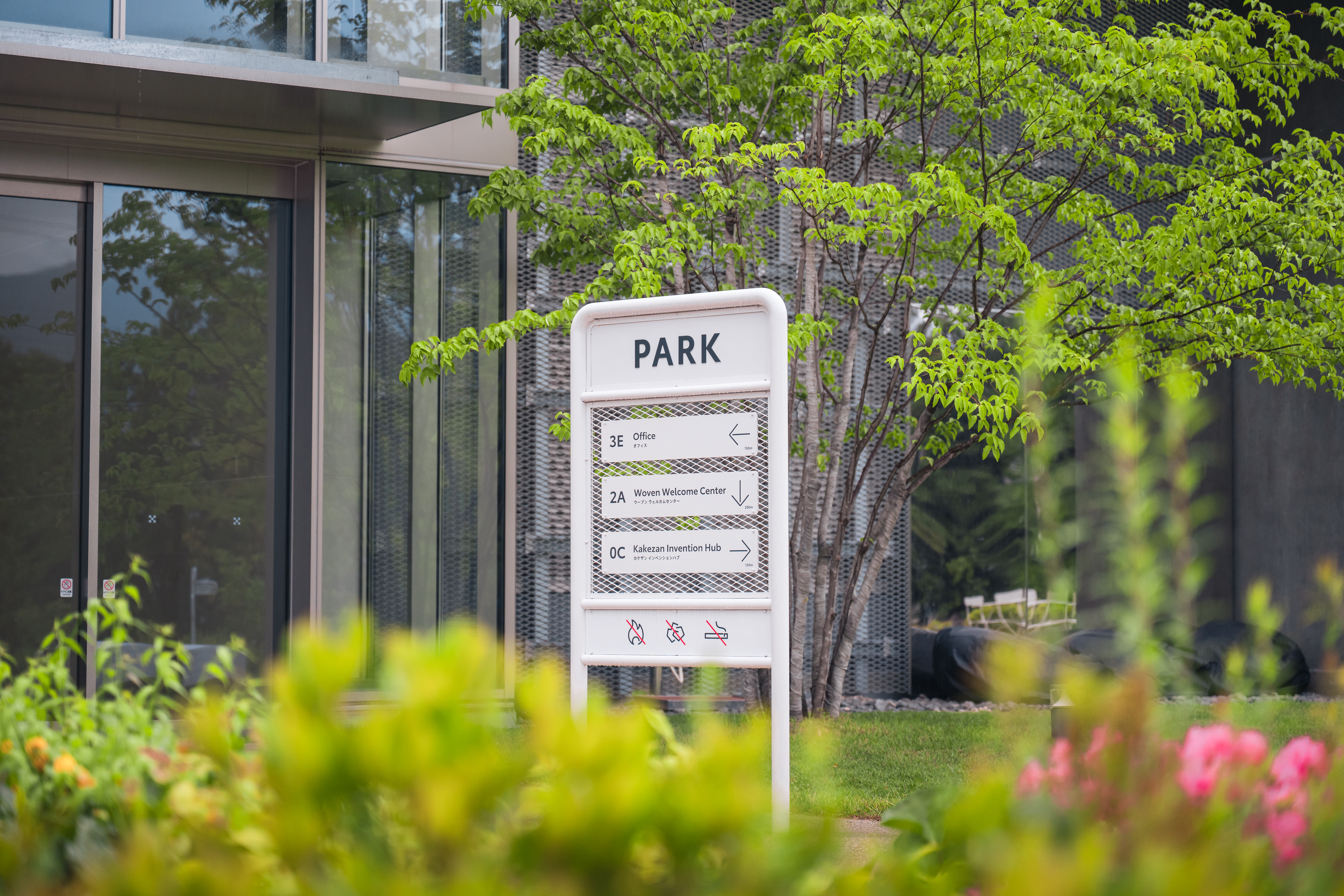
Activities in phase one of the project are now under way at the purpose-designed community, located close to Mount Fuji in Japan’s Shizuoka prefecture. Ultimately Woven City will be where residents – the Weavers – live alongside “Inventors,” teams and individuals producing and refining solutions that harness the potential of AI and advanced technologies to make mobility safer, easier and accessible for all.
Woven City: the story so far
Woven City serves as a bridge between advanced research and real-world applications. It is led by Woven by Toyota (WbyT), part of the Toyota Group, whose purpose is to drive the future of movement and enhance well-being for all.
Its development stems from Toyota’s 2018 declaration that the company will evolve from being an auto manufacturer to a mobility company. Two years later the city concept was revealed at the Consumer Electronics Show (CES) in Las Vegas.
Woven City is being built on the site of the former Toyota Motor East Japan Higashi-Fuji plant, sustaining a history of craftsmanship on the site that goes back more than 50 years. It also demonstrates Toyota’s commitment to supporting a region that was severely impact by the Great East Japan Earthquake in 2011.
Woven City is a place where people will live, work and play, while testing new products and services before they are scaled up for production. With first-hand, immediate feedback, development can be accurately fine-tuned and accelerated. In this way, the city will become an ever-evolving, living laboratory.
Woven City: phase one
Phase one of Woven City was officially launched in September 2025. The project has begun welcoming its first Weavers and Inventors: as of April 2026, there are 100 people in 50 households participating, with the number expected to increase to around 300 over time. To date, more than 20 Inventors have joined Woven City – 12 from Toyota Group companies and 12 from external partners. Representing diverse industries, they share a common philosophy of innovating “for others”.
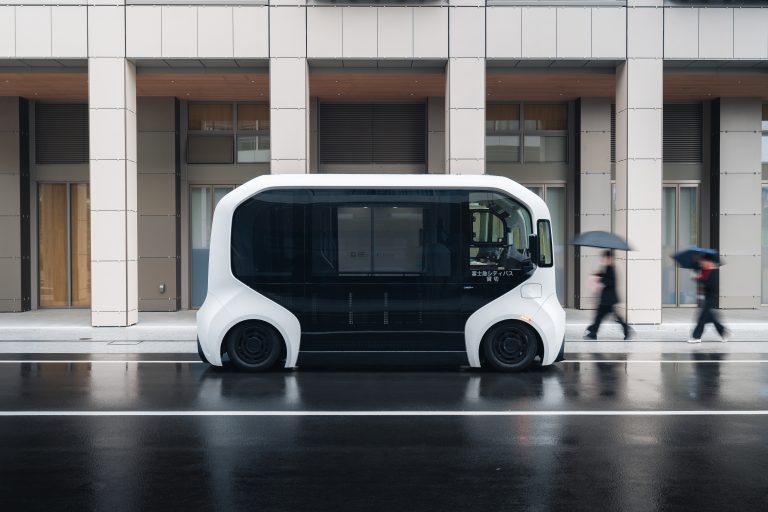
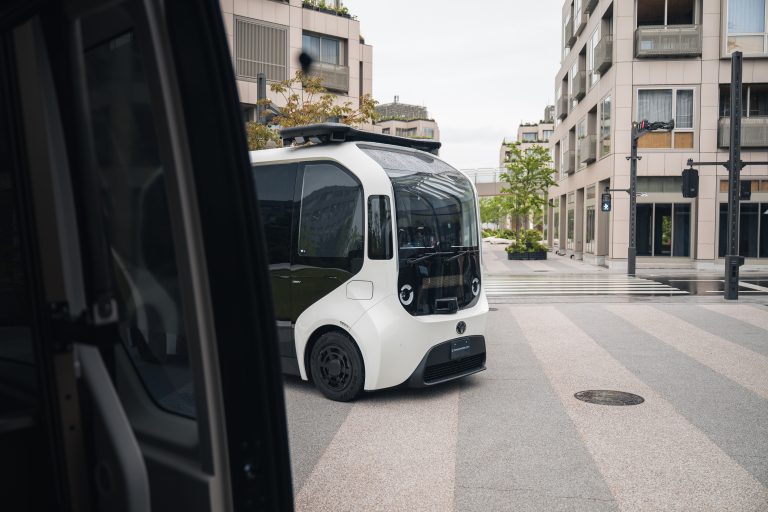
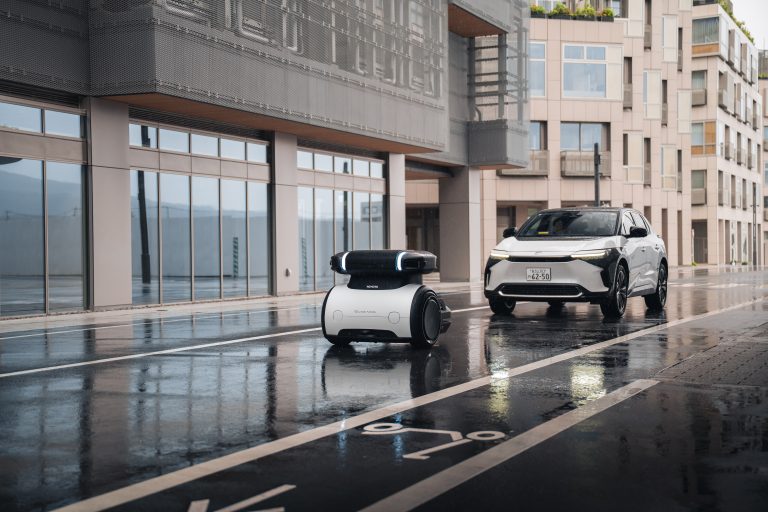
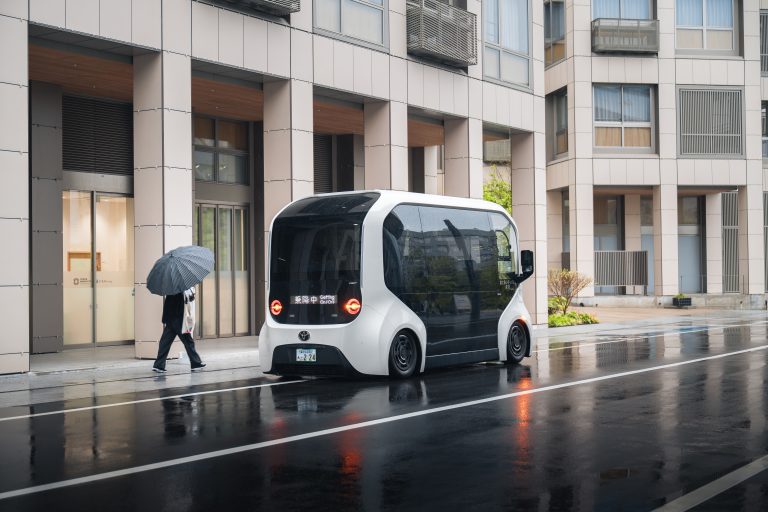
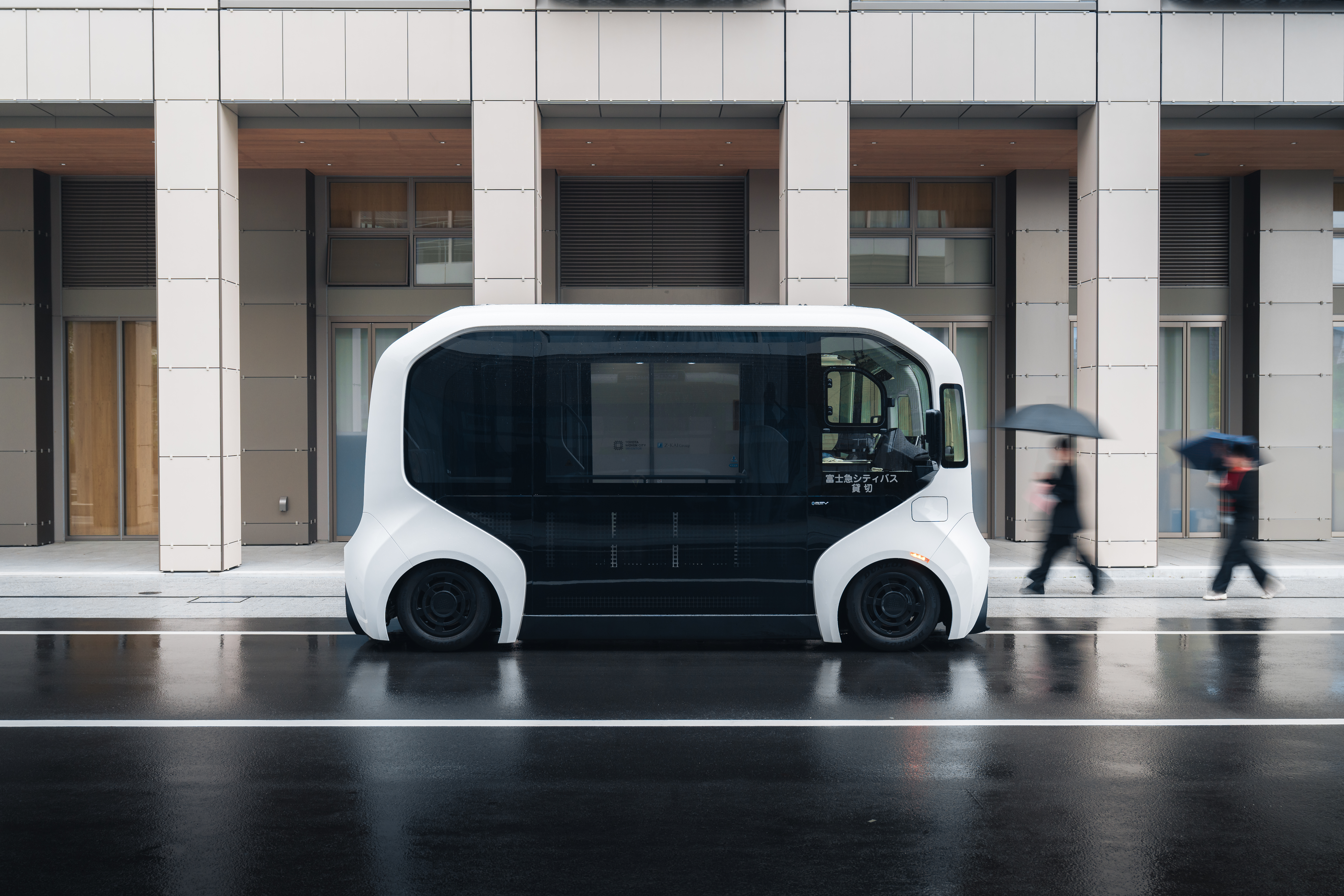
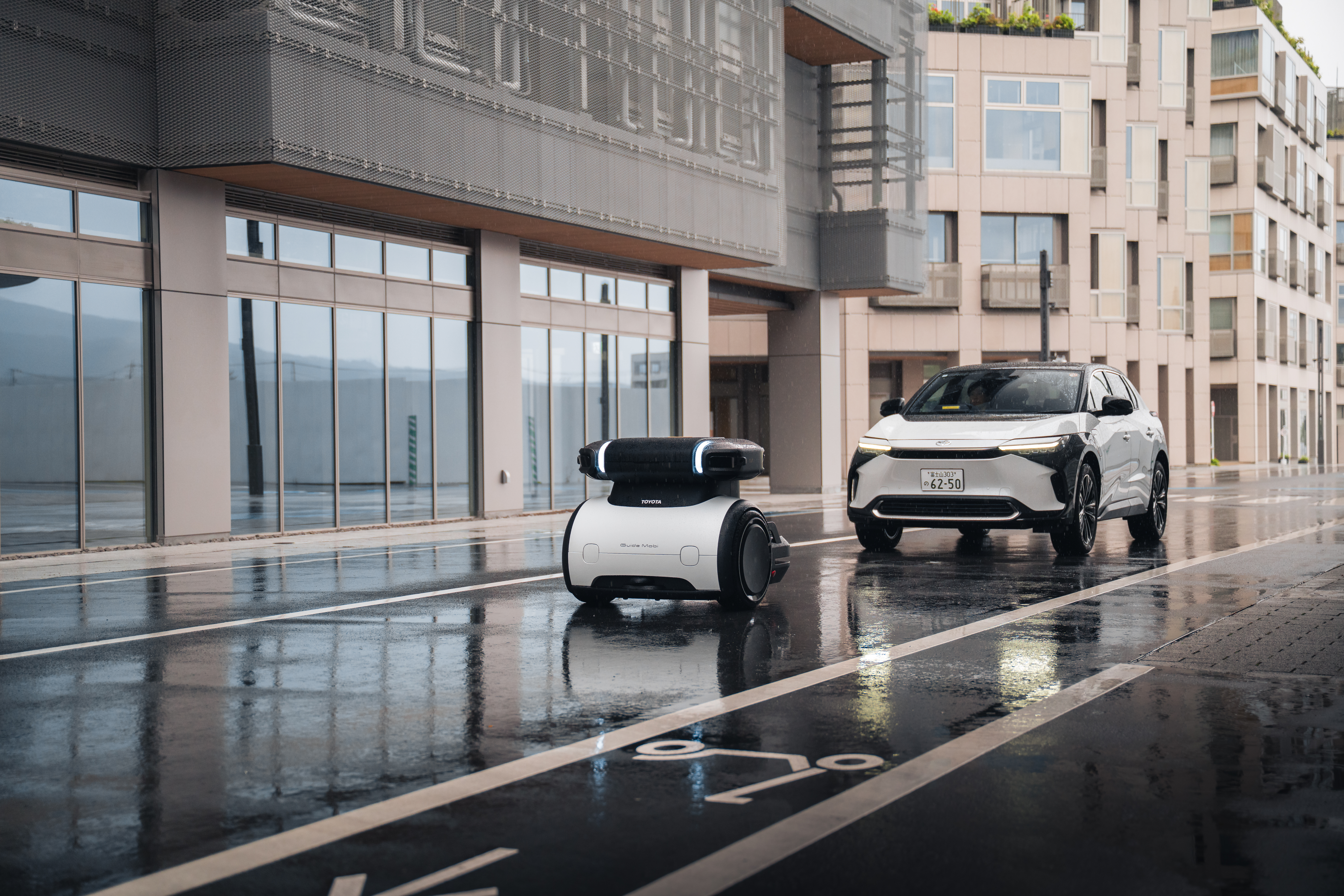
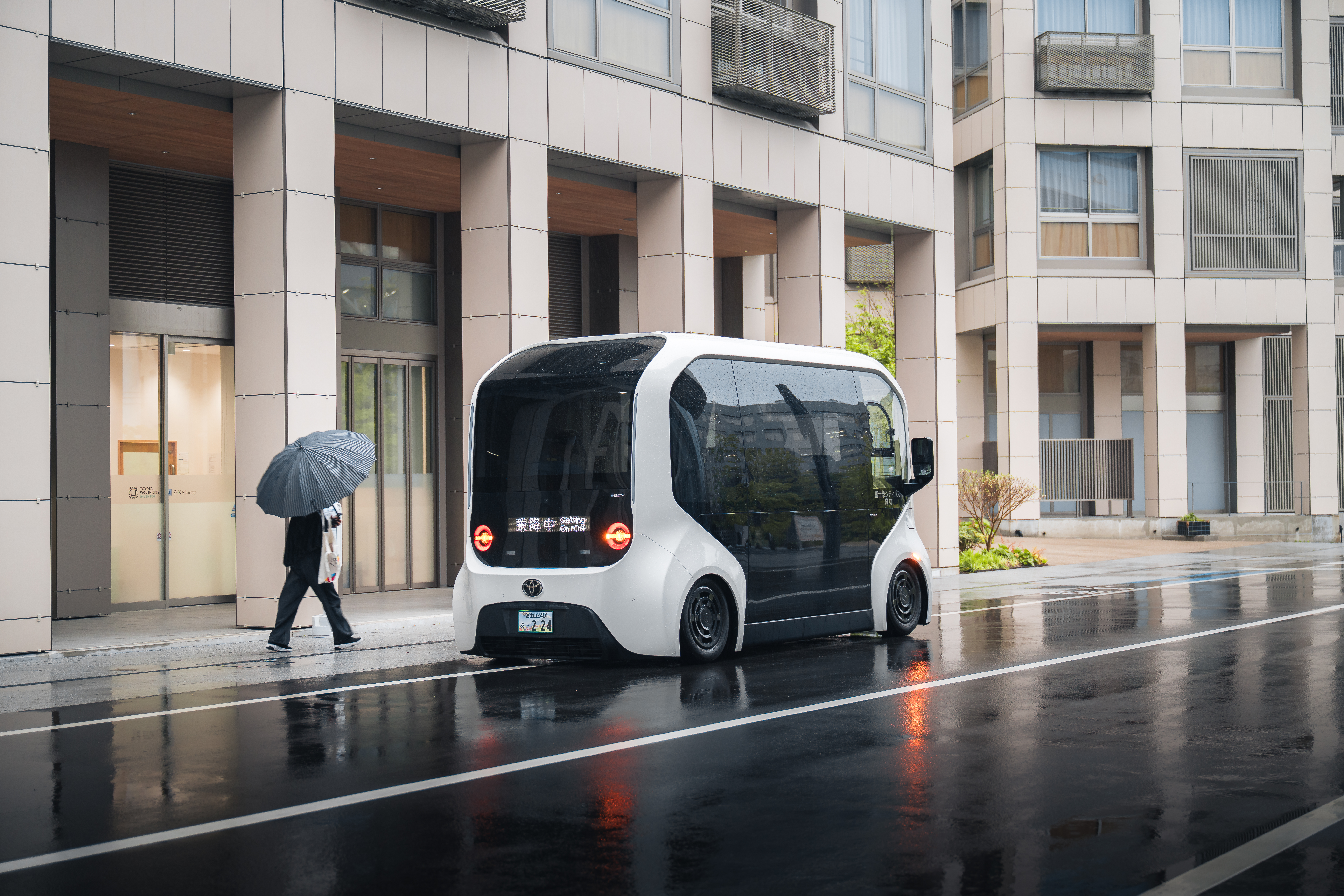
The focus is on co-creation projects for human-centred mobility and systems. This includes those aimed at improving traffic safety and achieving a world with zero traffic accidents. Current examples include concepts for automated driving platforms, robot-enabled logistics, next-generation remote communications and portable hydrogen energy systems
Innovation in road safety and information with ANZEN
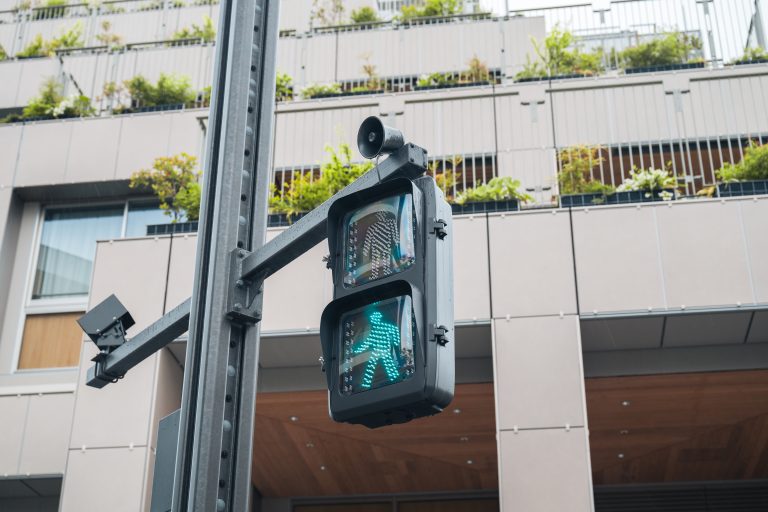
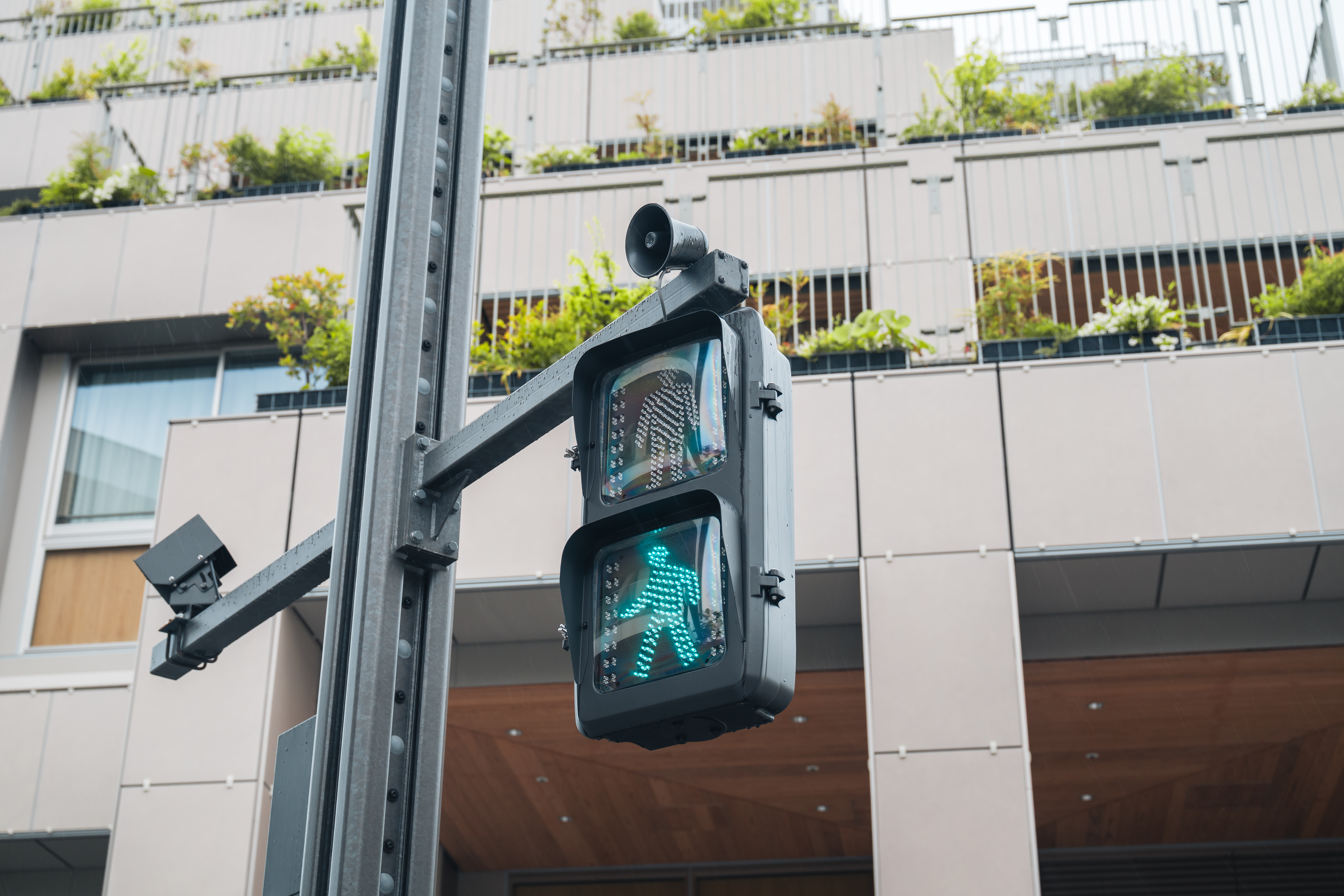
One of the key initial projects at Woven City is the Integrated ANZEN System, a new technology that enables people, mobility technologies and infrastructure to share situational awareness, make decisions and act in co-ordination.
Kakezan: a concept the drives innovation through collaboration
Kakezan – a Japanese word for multiplication – describes how Woven City is enabling diverse strengths to be combined, bringing together the expertise of businesses, teams and individuals across different industries to create benefits with greater impact for society.
Like kaizen, the principle of continuous improvement, kakezan is a long-term mindset for creating value through collaboration. As one of WbyT’s values, it combines different strengths, perspectives and expertise to help unlock possibilities that a single person or company could not achieve on their own, reflecting the Toyota maxim that “no one can do this alone”.
Toyota and WbyT are driving kakezan through the use of human-centred AI technologies. Toyota recognises that AI is critical to all innovation but believes it should be used to expand human intuition rather than replace it.
Woven City and Toyota’s weaving heritage
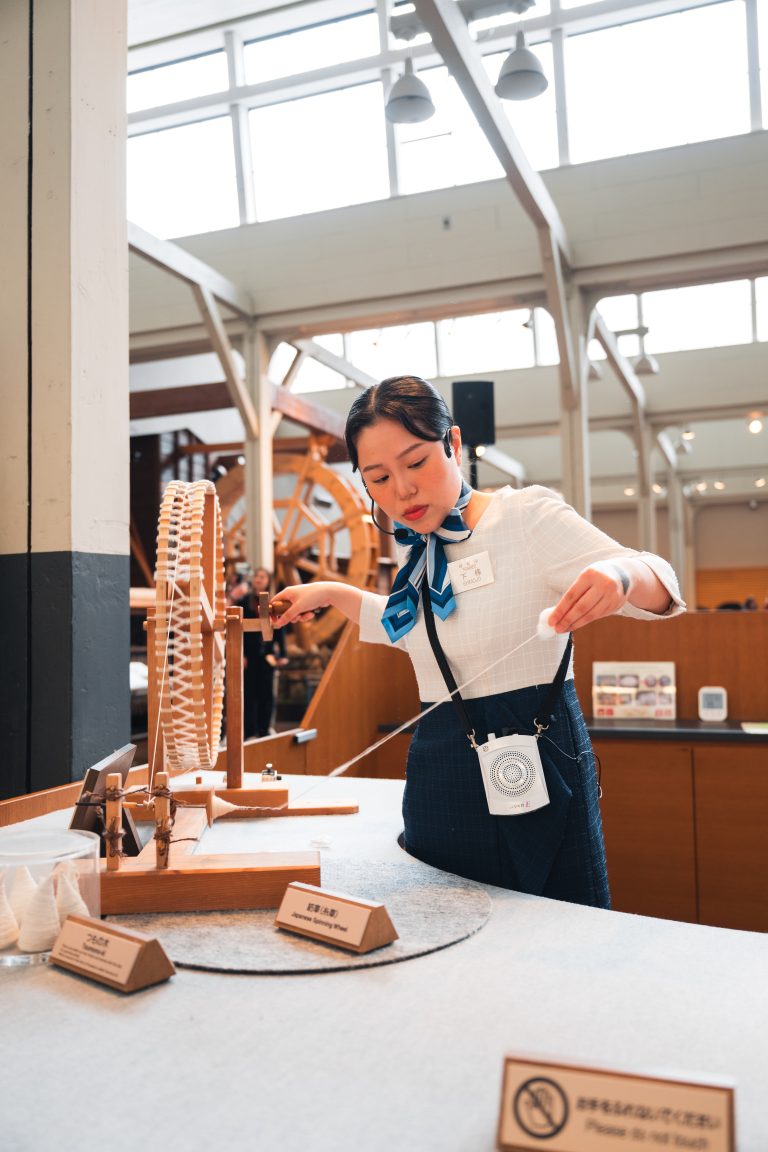
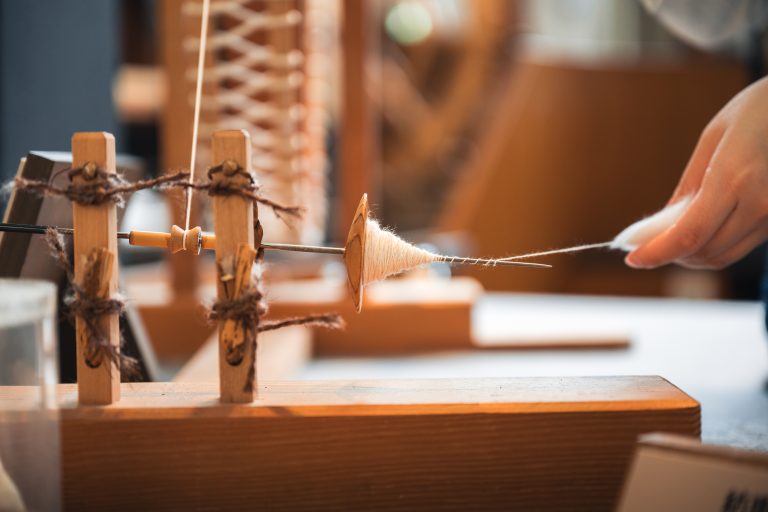
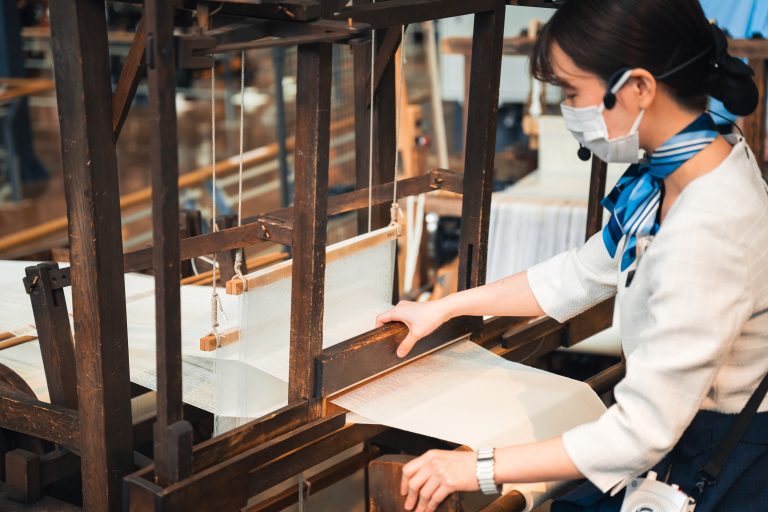
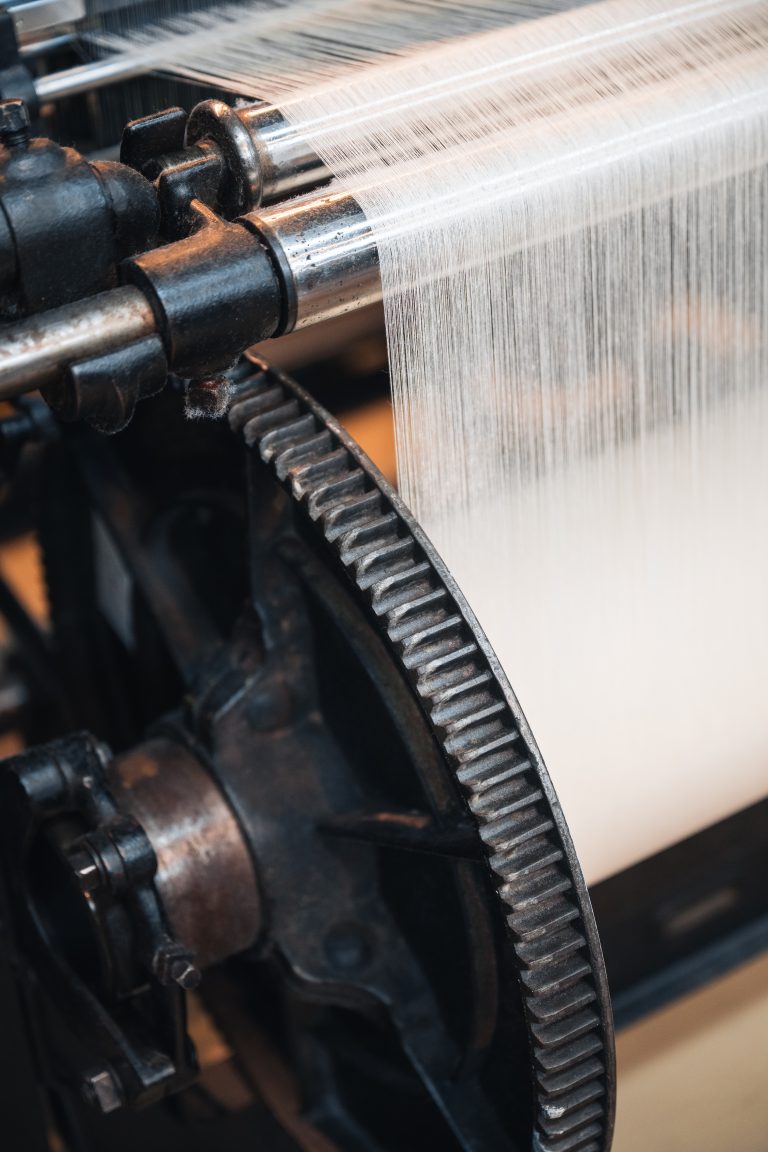
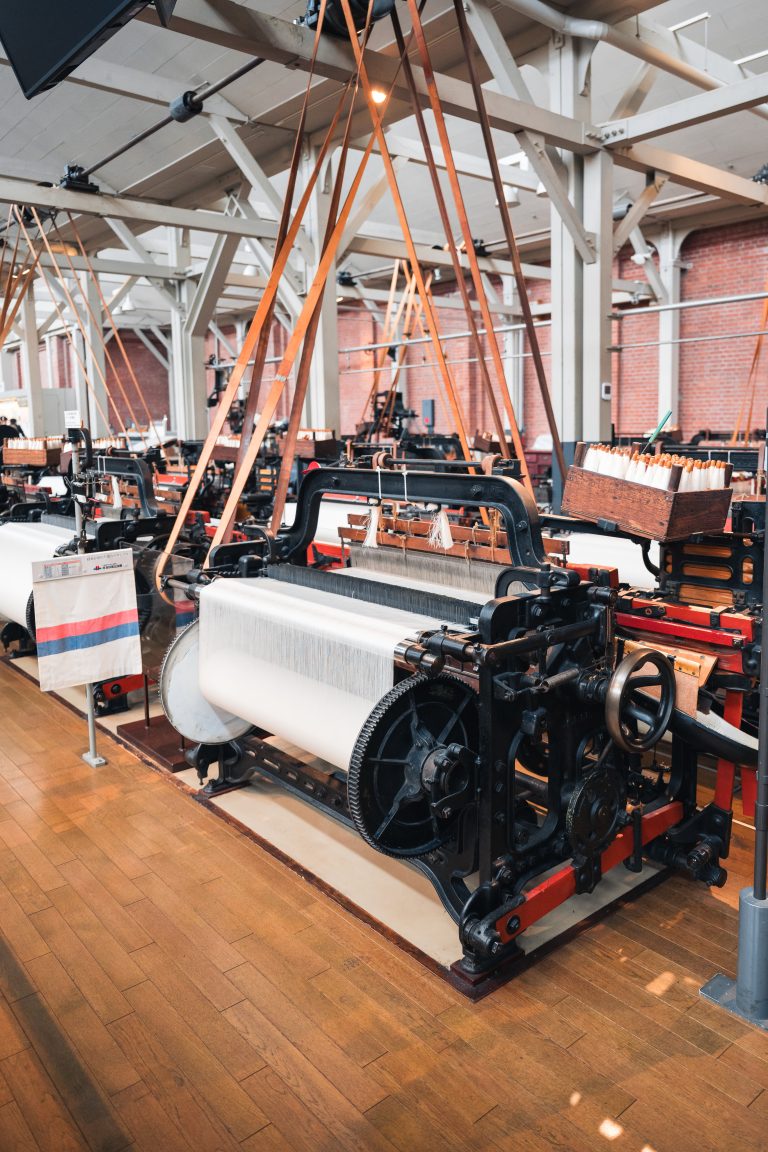
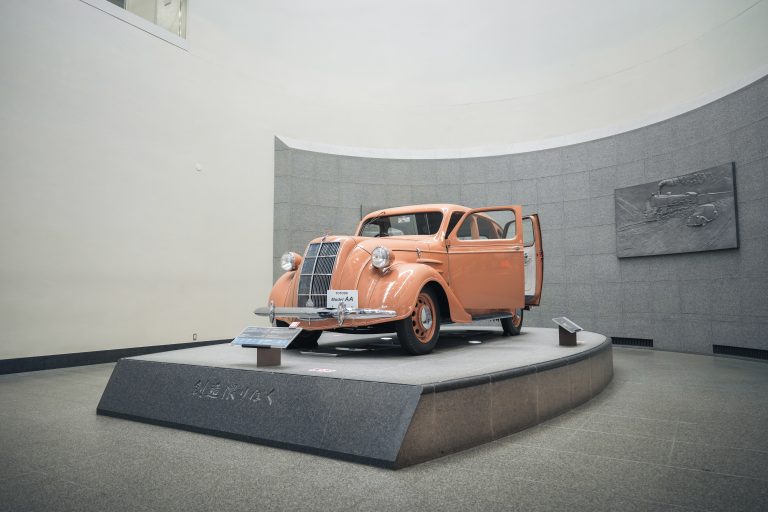
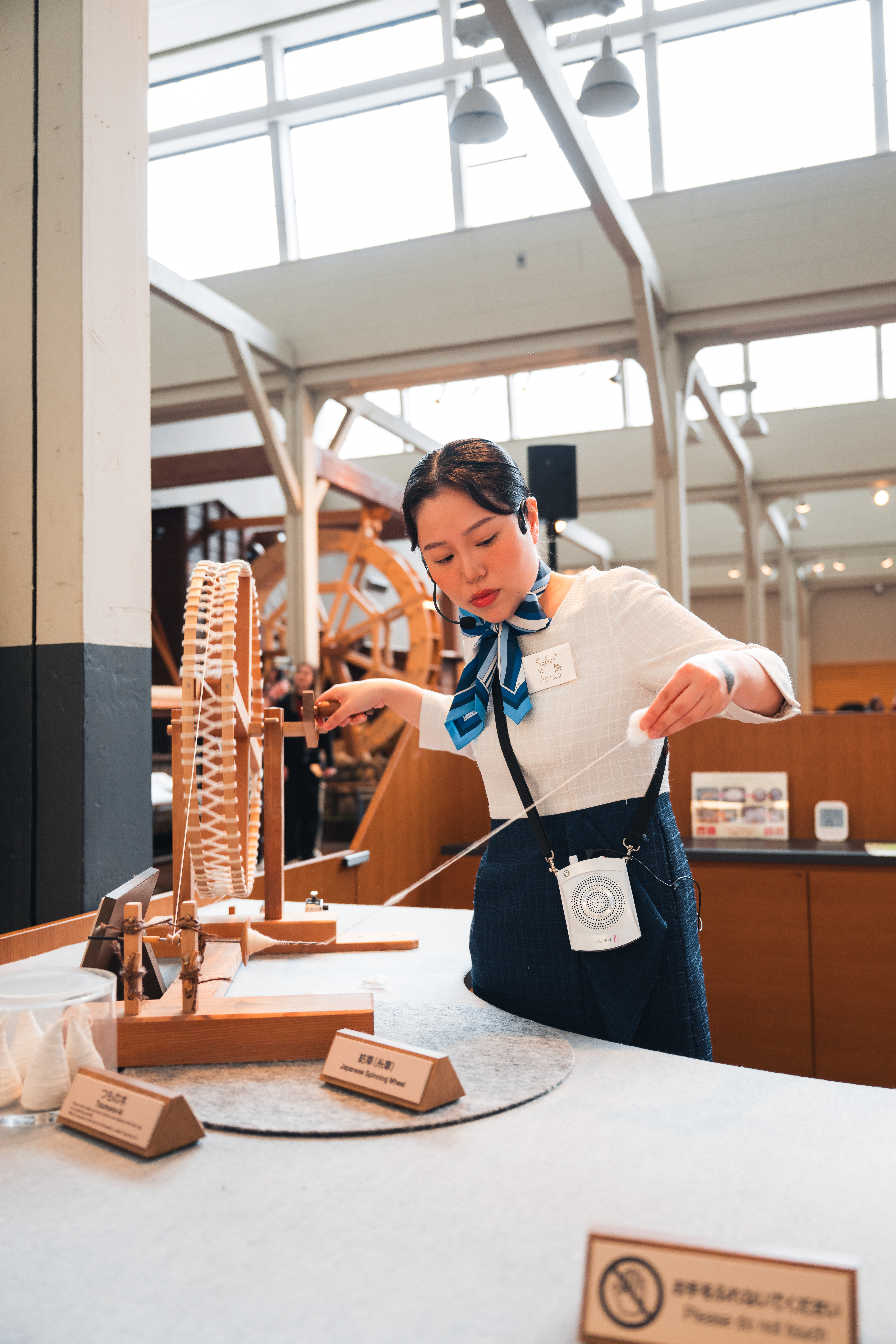
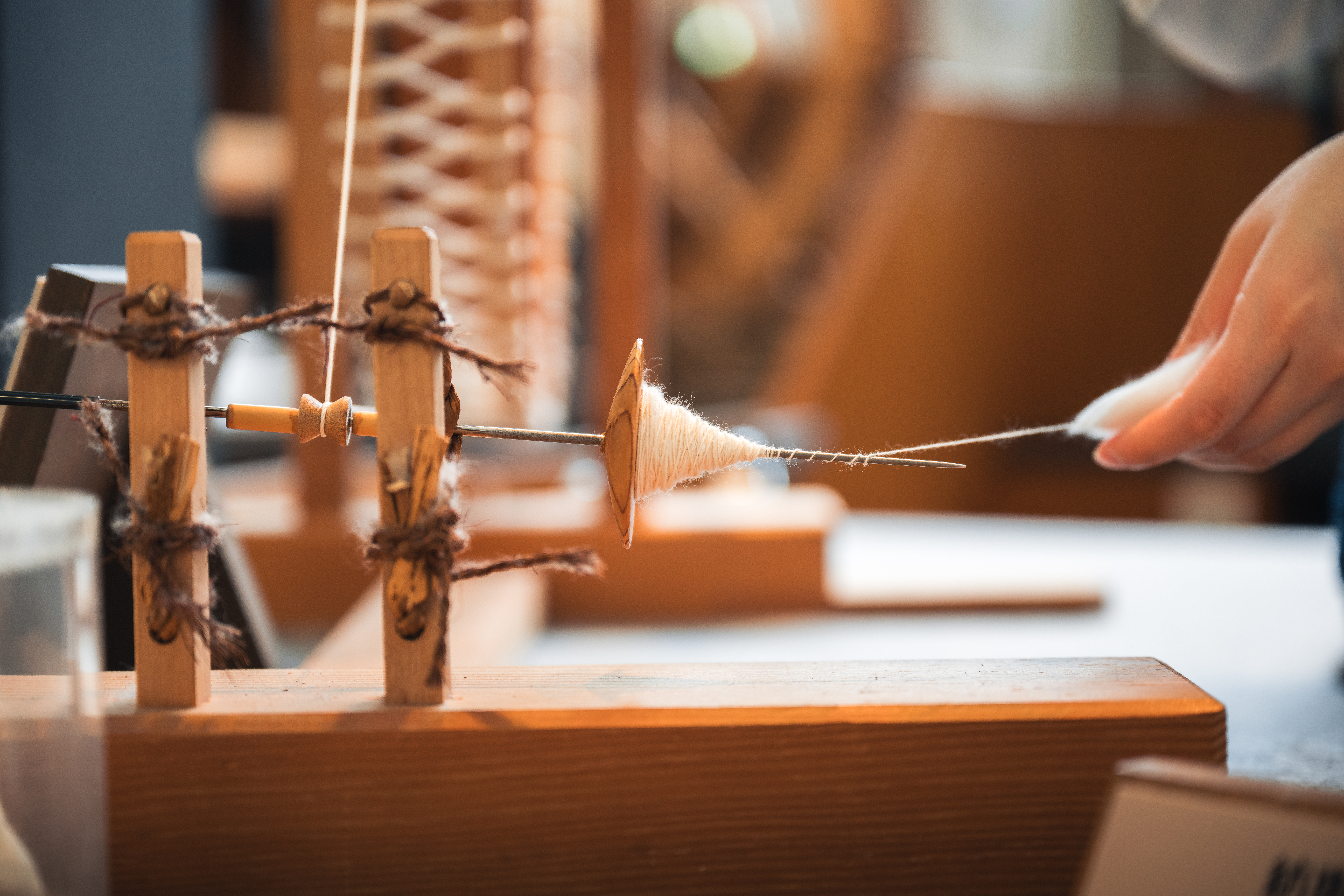
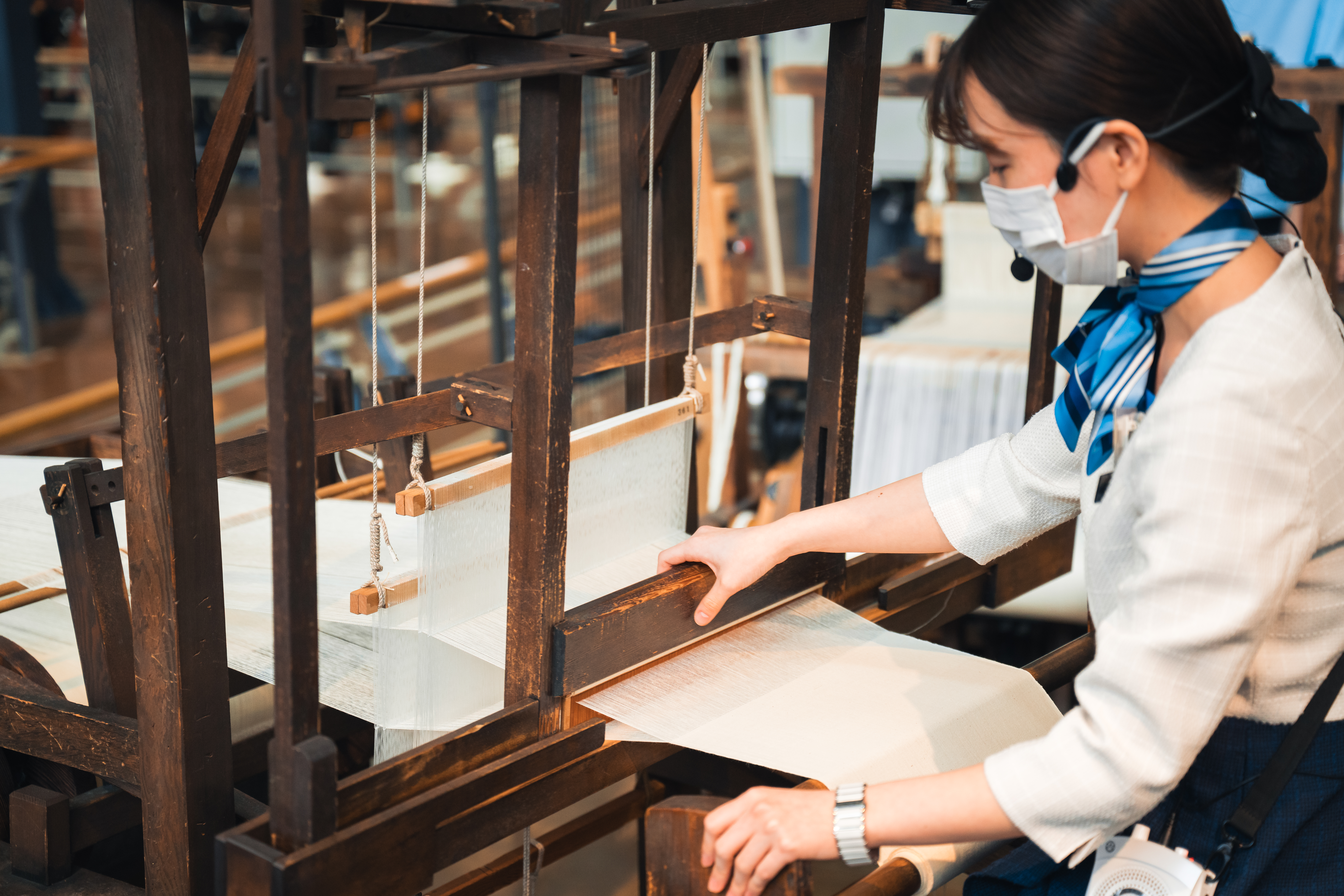
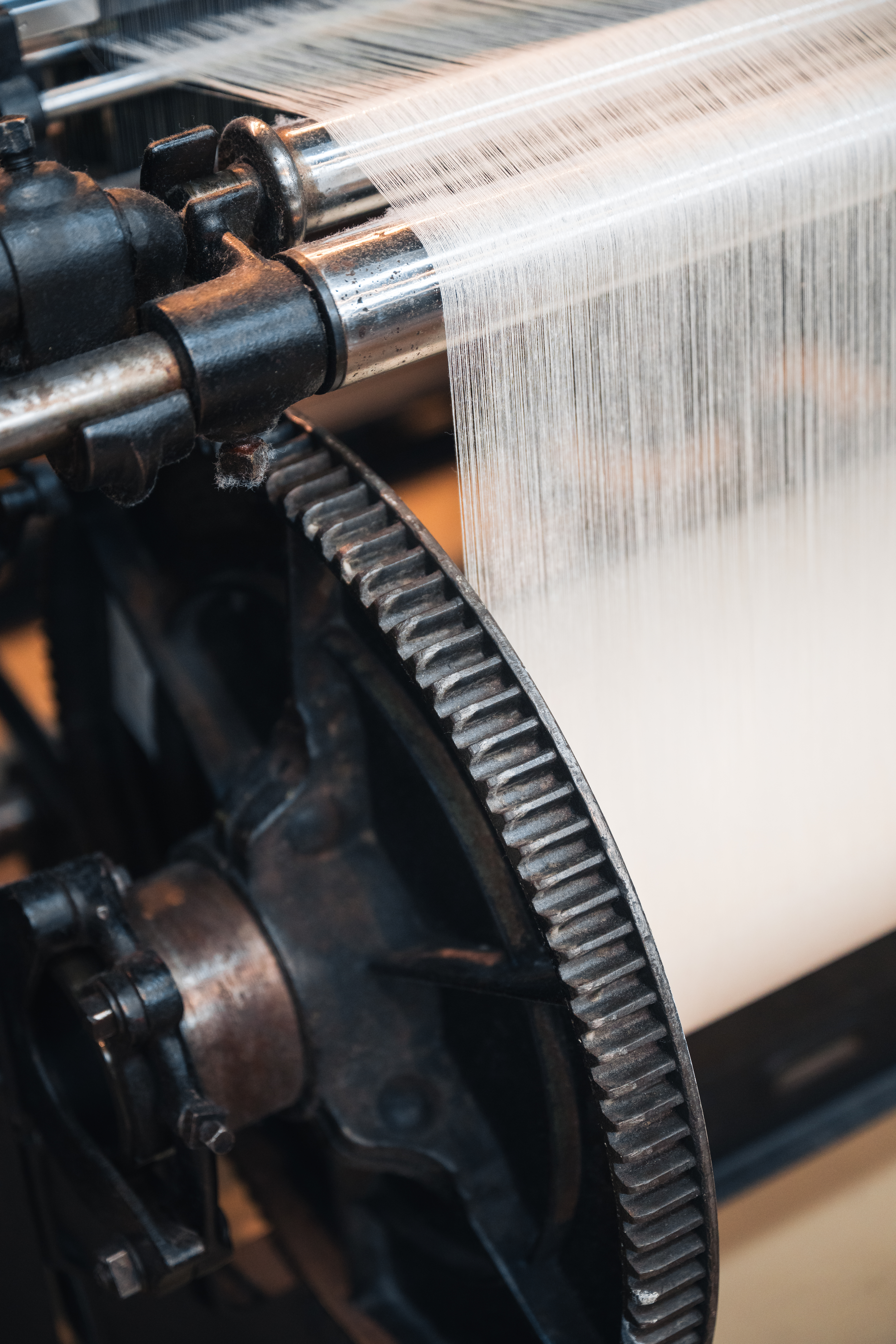
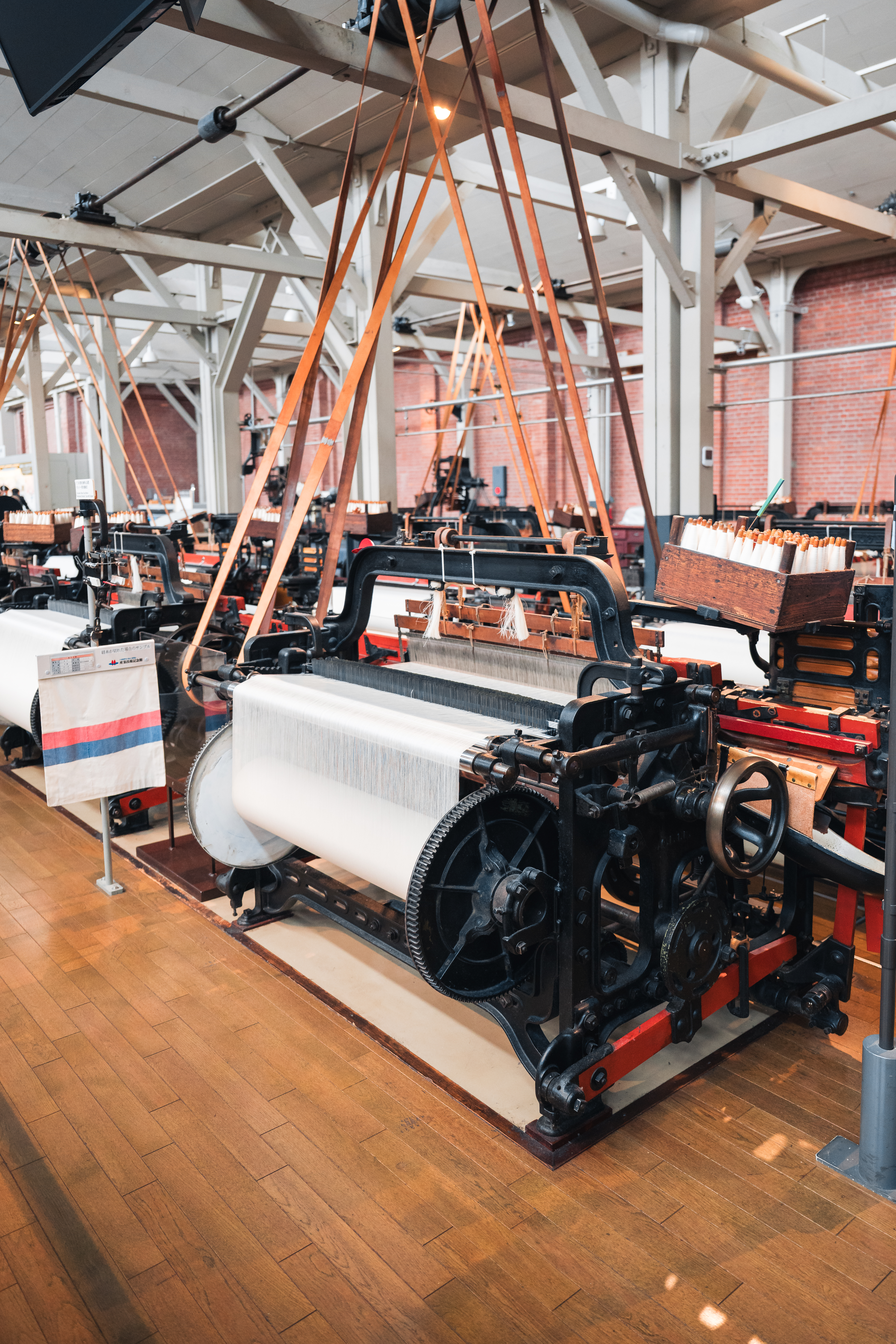
In both its name and its ambitions, Woven City is closely linked to Toyota’s industrial heritage and history of innovation. Sakichi Toyoda, the inventor of the world’s first automatic loom, established the Toyoda Spinning and Weaving Company in 1918.
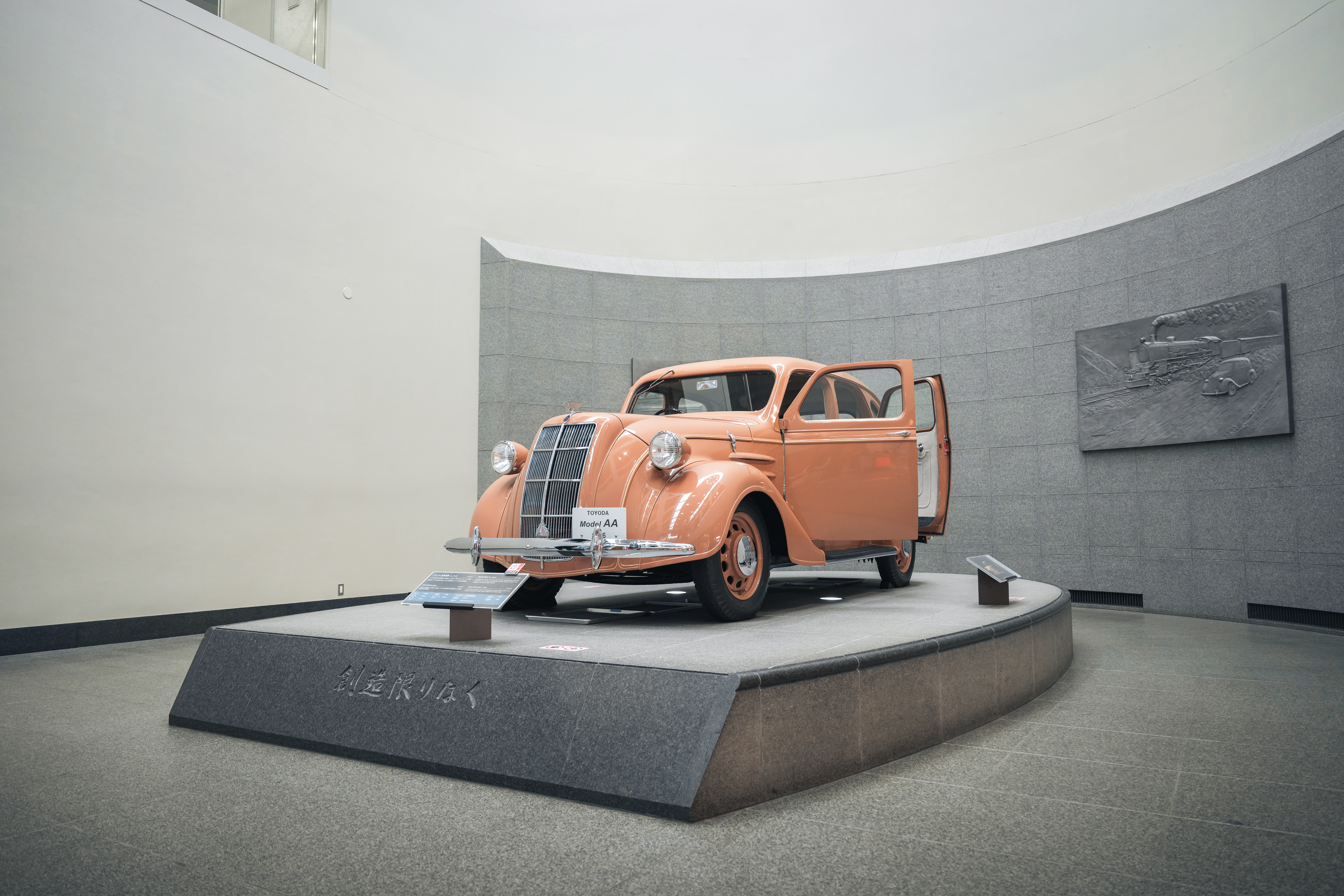
Its success enabled his son Kiichiro to invest in developing automotive technology, using funds raised through the sale of loom technology patents to a British weaving company, Platt Brothers of Oldham, in 1929. The first Toyota vehicle was completed in 1935 and two years later the Toyota Motor Company was founded.
Throughout Toyota’s history, its businesses have been committed to creating well-being for others, a human-centred philosophy that will be carried into the future at Woven City.
The meaning of Toyota as mobility company
For Toyota, mobility is about more than transportation and the movement of people from place to place. It is also about how people are moved emotionally and connect with each other.
The activities at Woven City explore mobility across four connected areas: People, Goods, Information and Energy. However, mobility, like the internet, is a constantly expanding concept, so on this foundation activities extend further into areas such as logistics, energy, education and daily living.
ENDS